TERCEIRO ROUND [2025]
GALERIA MONUMENTAL [Lisbon, Portugal]
Text by Jorge André Catarino
Ana Velez | Joana Gomes | Maria Sassetti | Xana Sousa
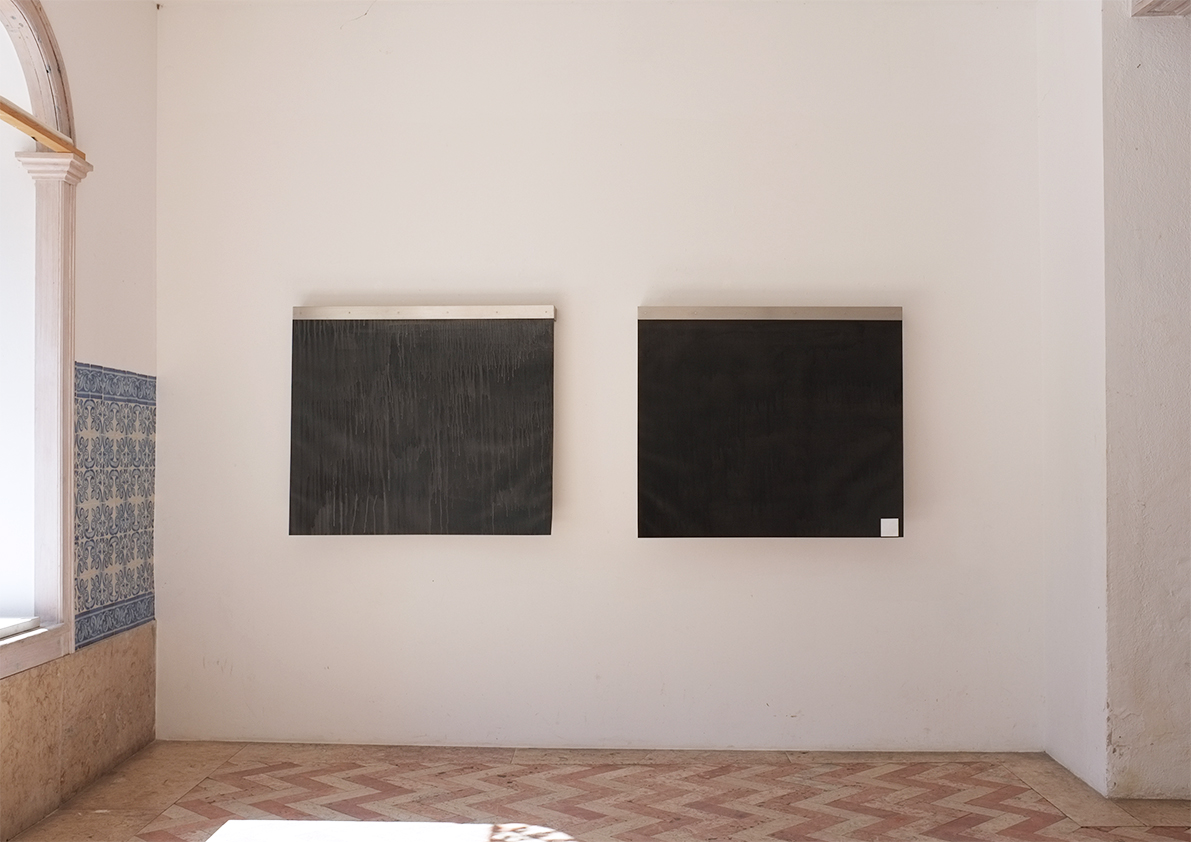
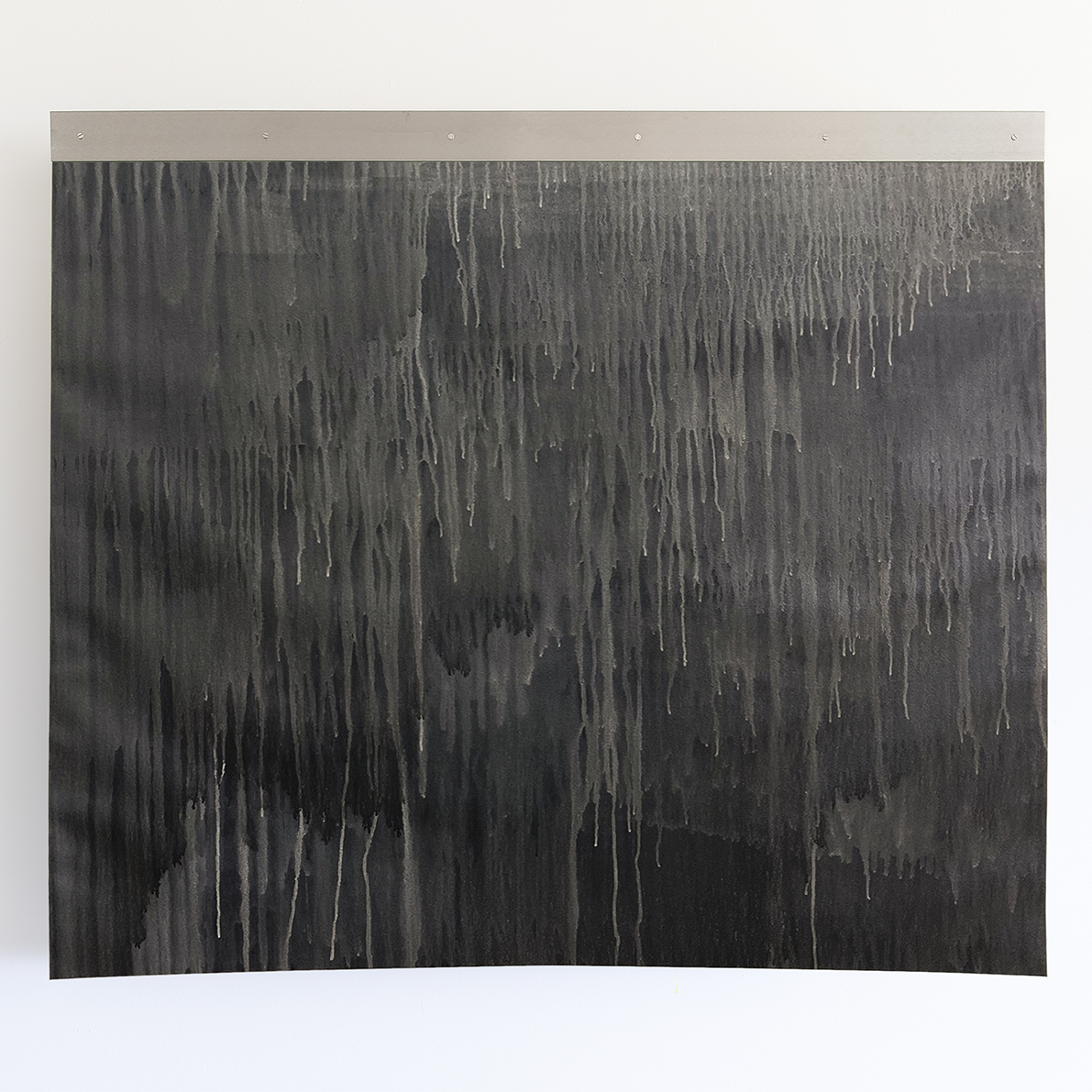
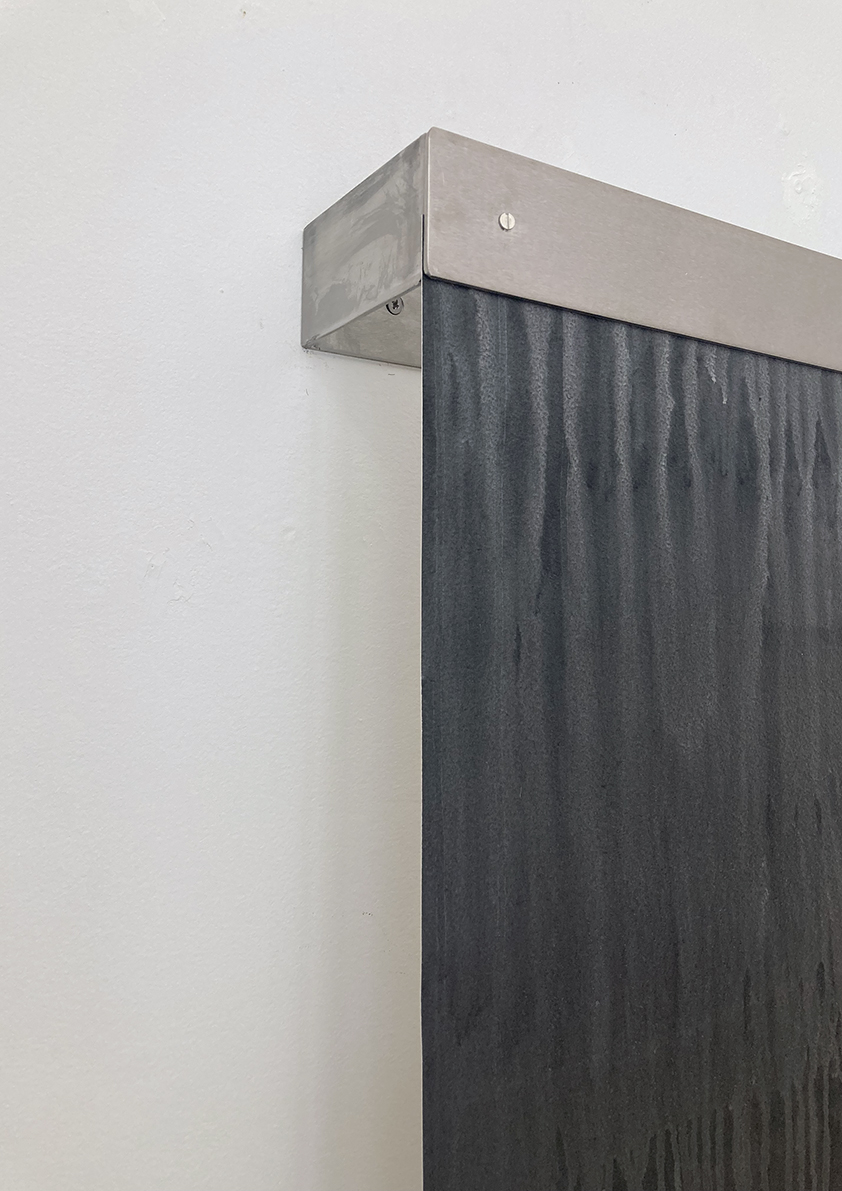
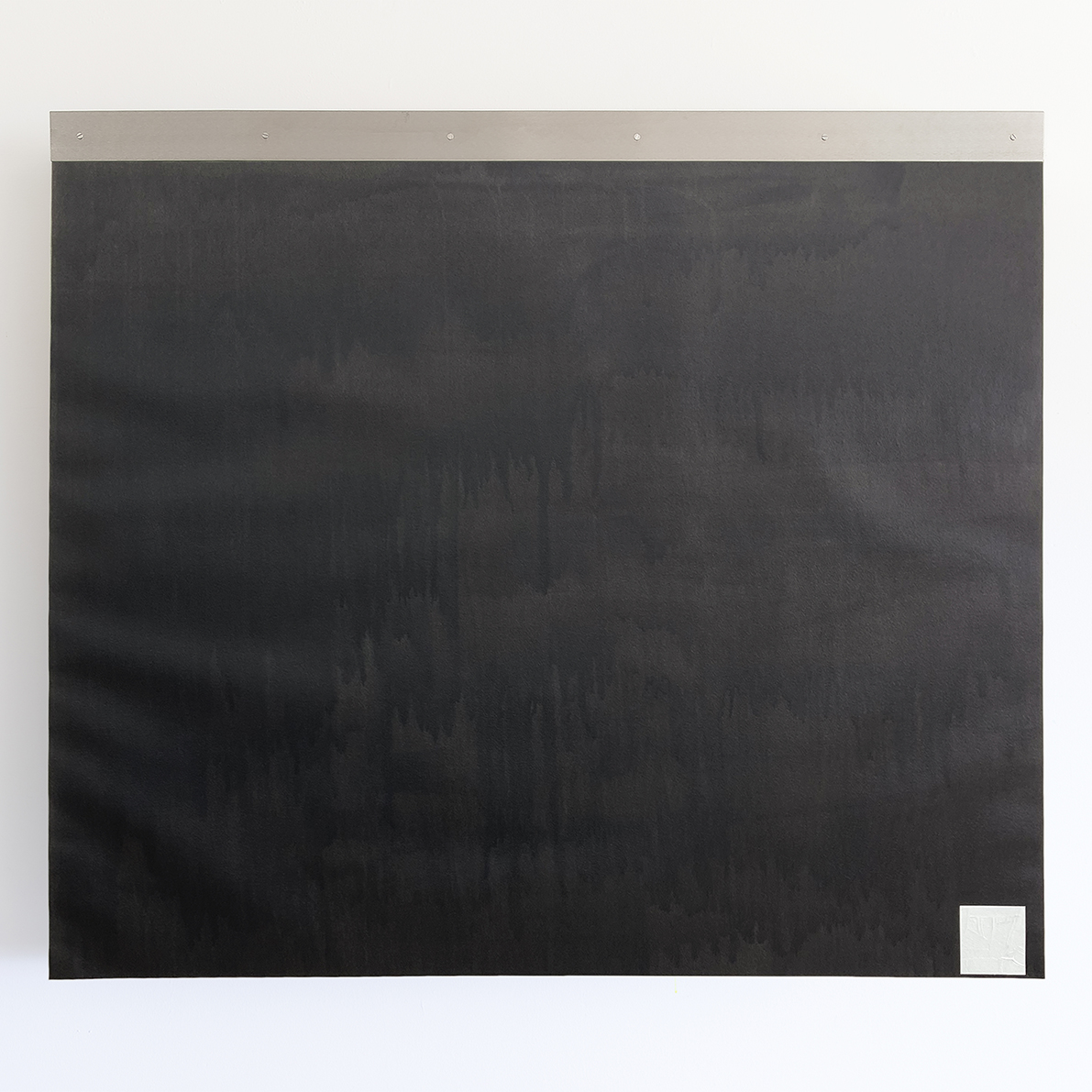

Photos by the artist
Terceiro Round is the third iteration around the concept initiated in Mano-a-Mano [Galeria das Águas-Livres, Lisbon, 2019], and continued in Battle Royale [BAG - Banco das artes - Galeria, Leiria, 2022].
This project starts from the analogy between a boxing ring and the pictorial space, based on two points: first, insofar as both can be considered "pure spaces"; and second, in the manual action that is common to combat and the pictorial practice.
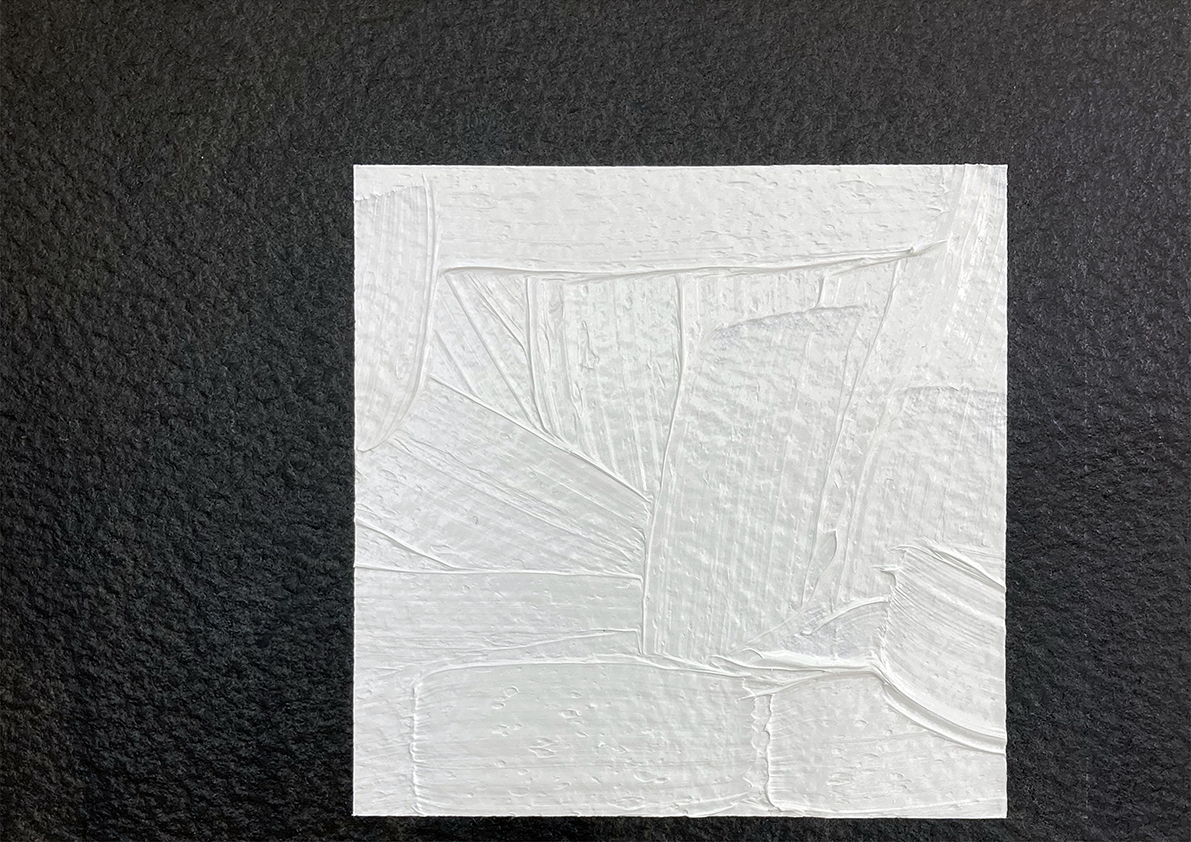
First term. According to Roger Caillois, a game is defined as a free and voluntary, unproductive activity that takes place in a "pure space," physically and temporally delimited, governed by its own laws, separate from everyday life. Similarly, modern painting was characterized by a search for purity, which reduced it to the essentiality of a flat, pigmented, and clearly delimited surface, autonomous relative to the exterior. That is, a "pure space." A white square on a white background in a white cube.
The History of Art tends towards warlike analogies. The word chosen to describe the set of processes by which art freed itself from external restrictions and internal conventions [that is, purified itself] is a warlike expression, the avant-garde. We find, then, the first term of the analogy: if painting can be a game, it is a combat game and its space, a ring.
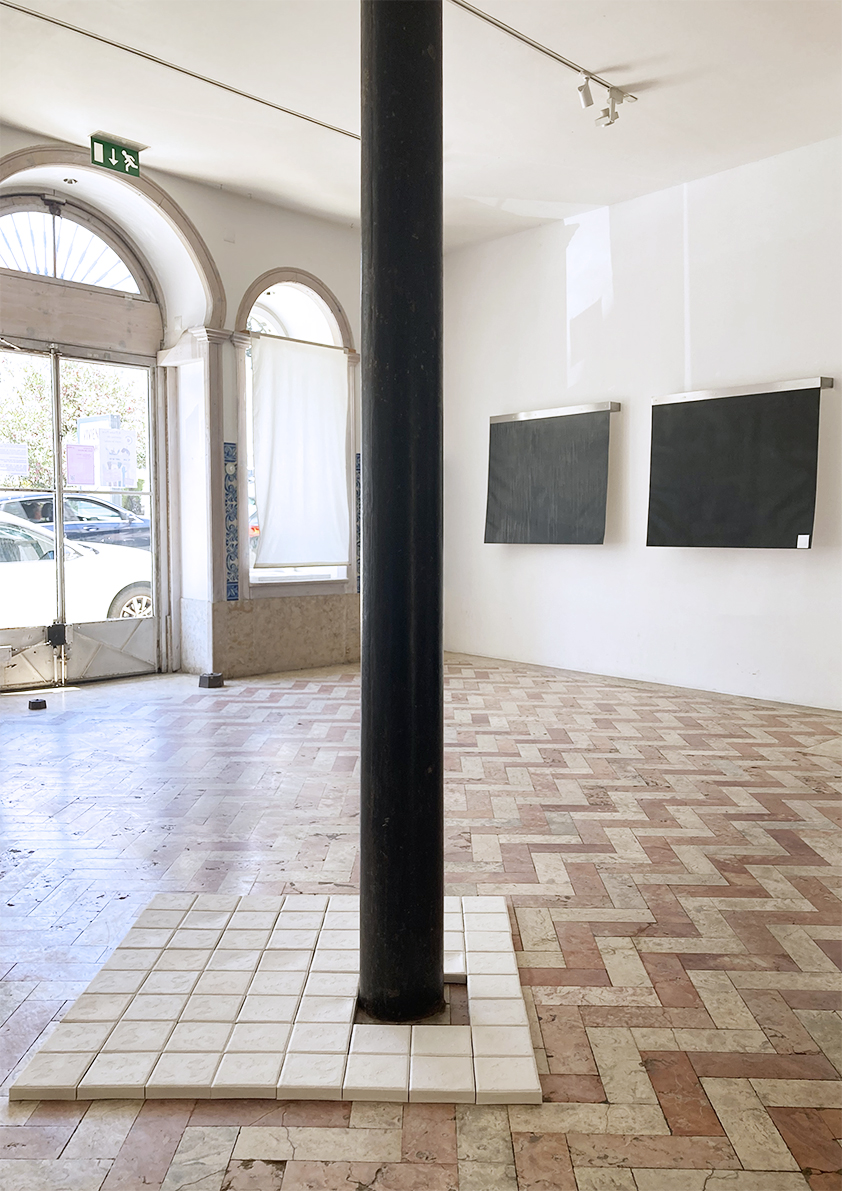
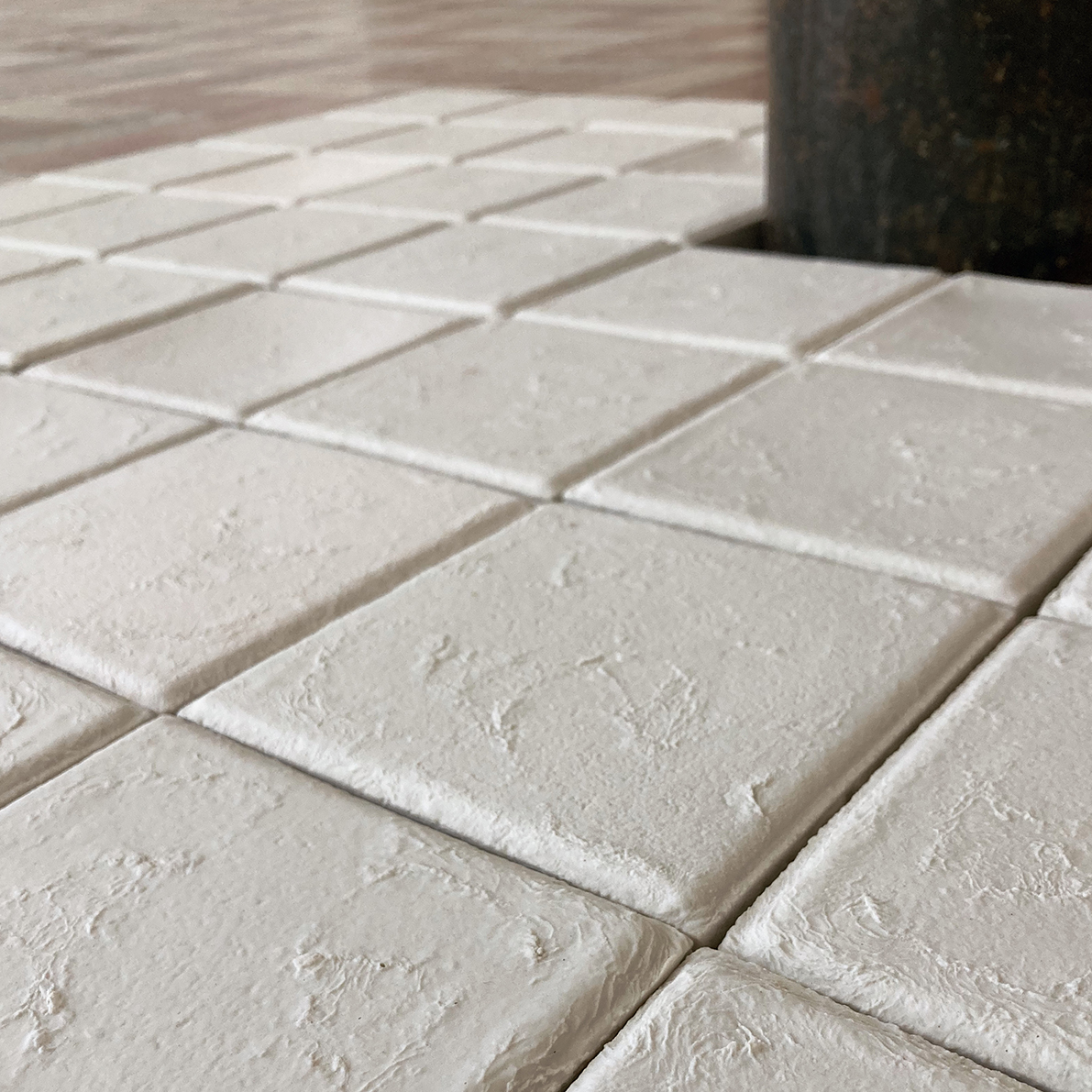
Second term. Encompassing diverse supports, the works of Ana Velez, Joana Gomes, Maria Sassetti and Xana Sousa gravitate around an idea of painting in an expanded field. Their practice incorporates non-artistic objects, materials or practices, confronting them with the referential field of painting, expanding it. If we recognize formal elements typical of modernist painting, such as the grid, the monochrome or serial repetition, for example, we find them mixed, contaminated by gesture, texture, referentiality and emotion. That is, impure. This is largely due to the fact that the four artists develop an essentially manual artistic practice [hence "mano a mano"]. Thus, the second term of the analogy is found.
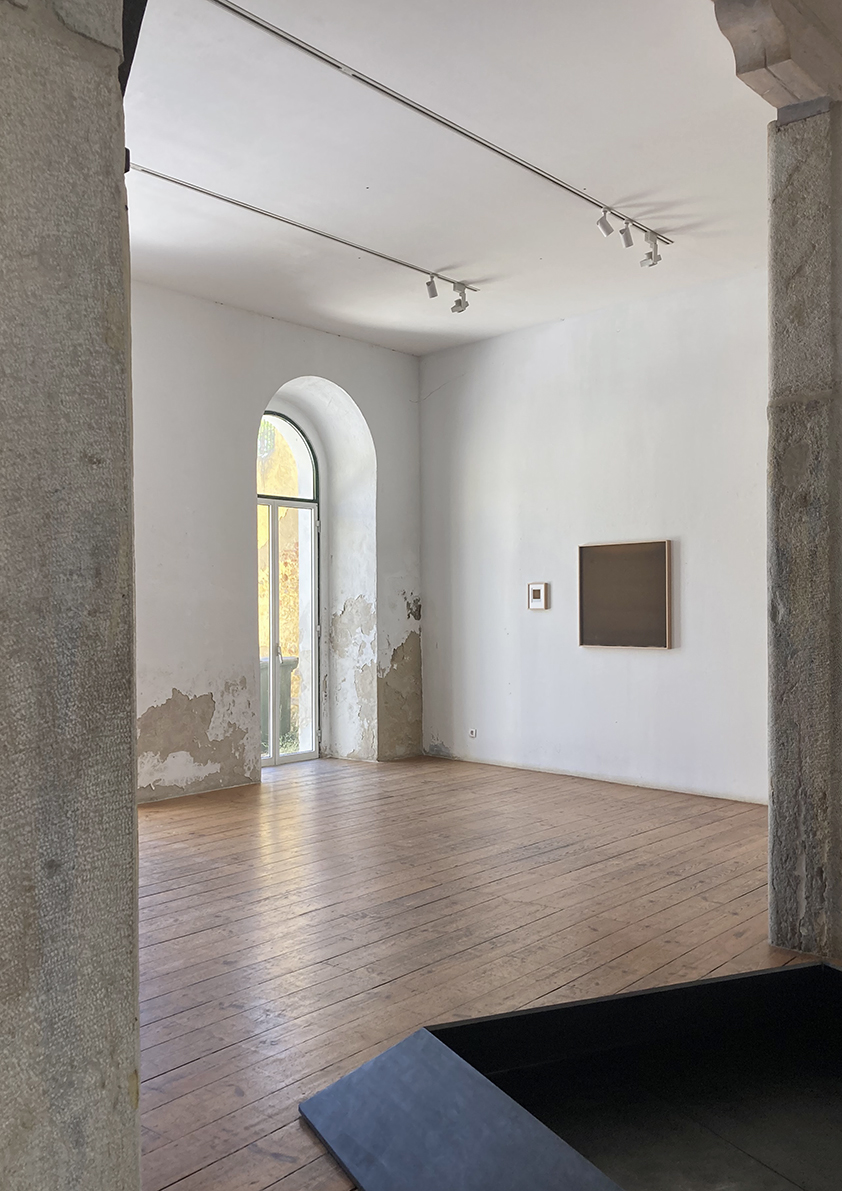
The exhibition at the Galeria Monumental brings together recent works with works from 2022 and from the first exhibition in 2019. Works of art change over time, even if they remain materially unchanged. The context allows for new readings, gives them a new relevance, imbues them with meaning. Six years after the first exhibition, I feel that this is what happened. In 2019, in Portugal, the far right had no representation in the Assembleia da República [the "House of Democracy"]. Six years later, I feel that I am witnessing the last gasp of democracy, and the resurgence of an authoritarian regime. The idea of painting as combat gains a new urgency.
Out of necessity, survival, or naiveté, art has migrated to social media. [How many of us ended up not visiting an exhibition, and saw it, in a deferred way, through the Internet or in an Instagram carousel?] Art, memes, AI-generated images, reels, TikTok dances, kitten videos, and hate speech, fake news, are now part of the same undifferentiated torrent of the digital environment and mobile devices, under the uniformizing cloak of "content" [an insidious expression of neoliberal newspeak]. Anesthesia of the senses, domestication of my consciousness, manufactured consent: I am a docile animal, a mere Pavlovian dog. Digital engagement is a parasite that feeds on the sharpness of my senses. The dehumanization of art occurs in a biased way, under the dictatorship of the algorithm.
In this context, the act of creating, and above all, creating with one's hands, is an act of militancy and resistance. To startle myself from the digital torpor in which I have abandoned myself, to reclaim the roughness of my sensitive body and the awareness of myself. Painting is a combat and the canvas a ring. To get my hands dirty. To go into battle.
Jorge André Catarino