AGUAS DULCES, AGUAS LIBRES [2026]
TÖNNHEIM GALLERY [Madrid, Spain]
Text by Manuela Pedrón Nicolau and Jaime González Cela
Ana Velez | Maria Sassetti
Photos © Nico Táppero
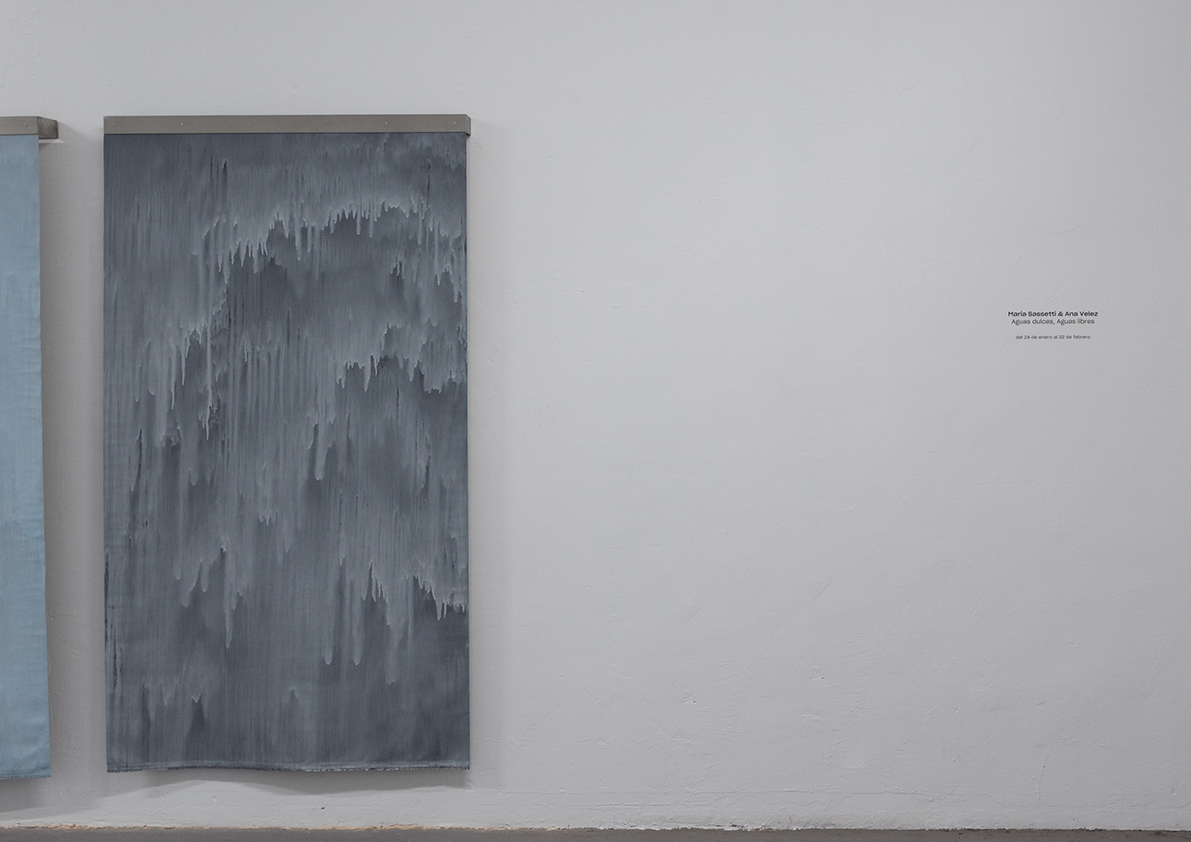
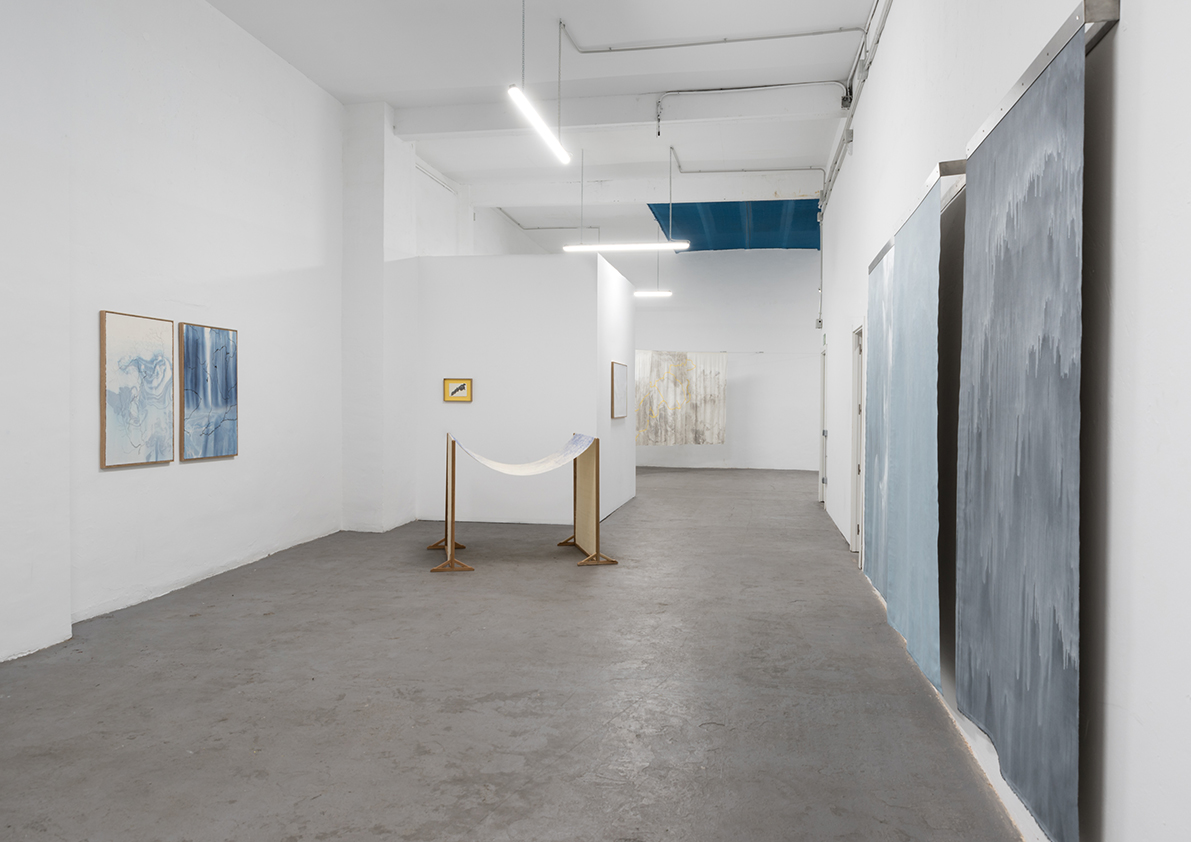
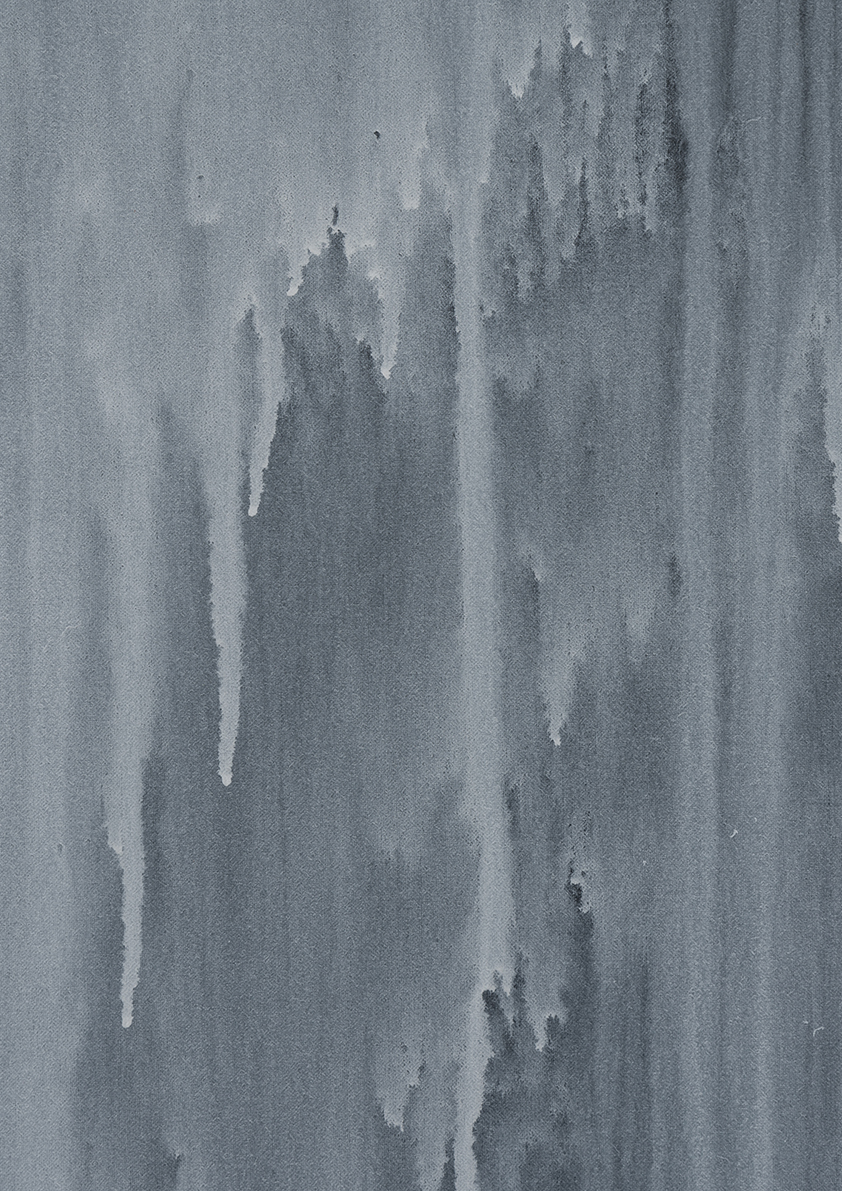
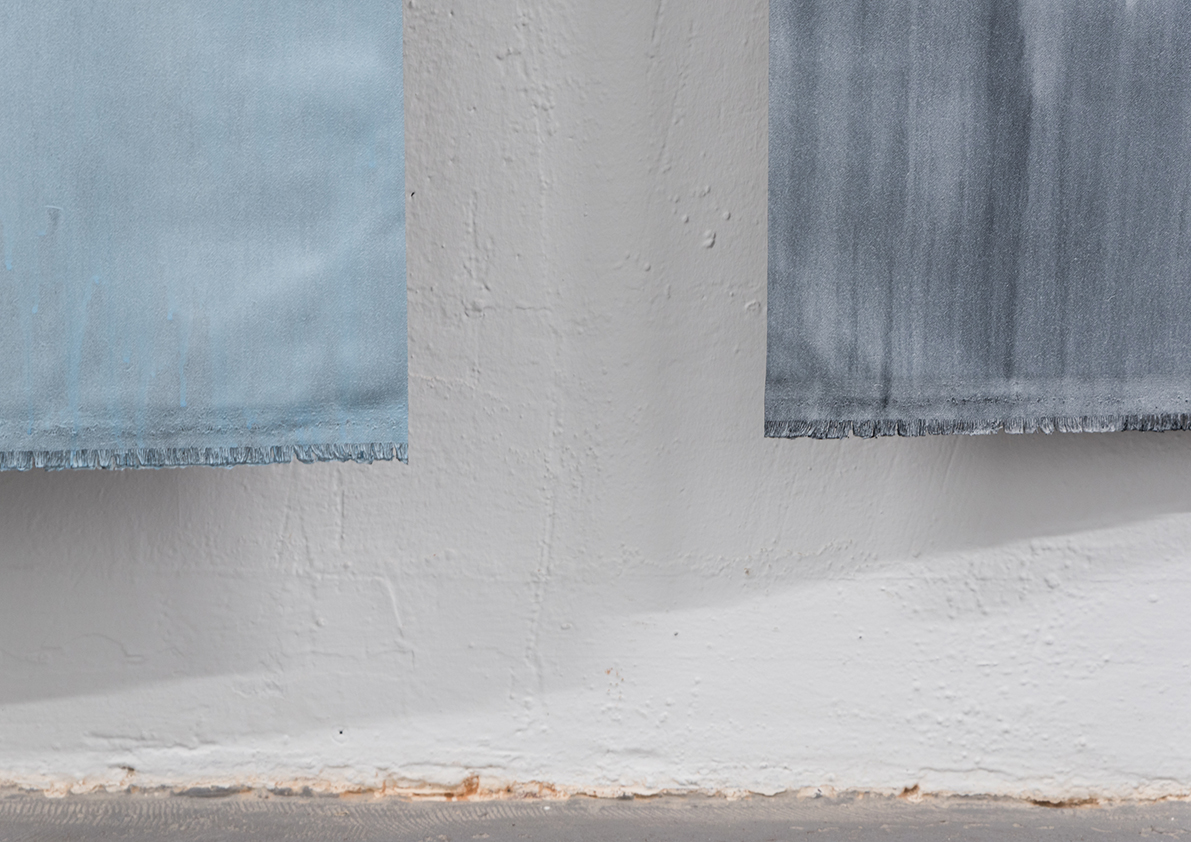
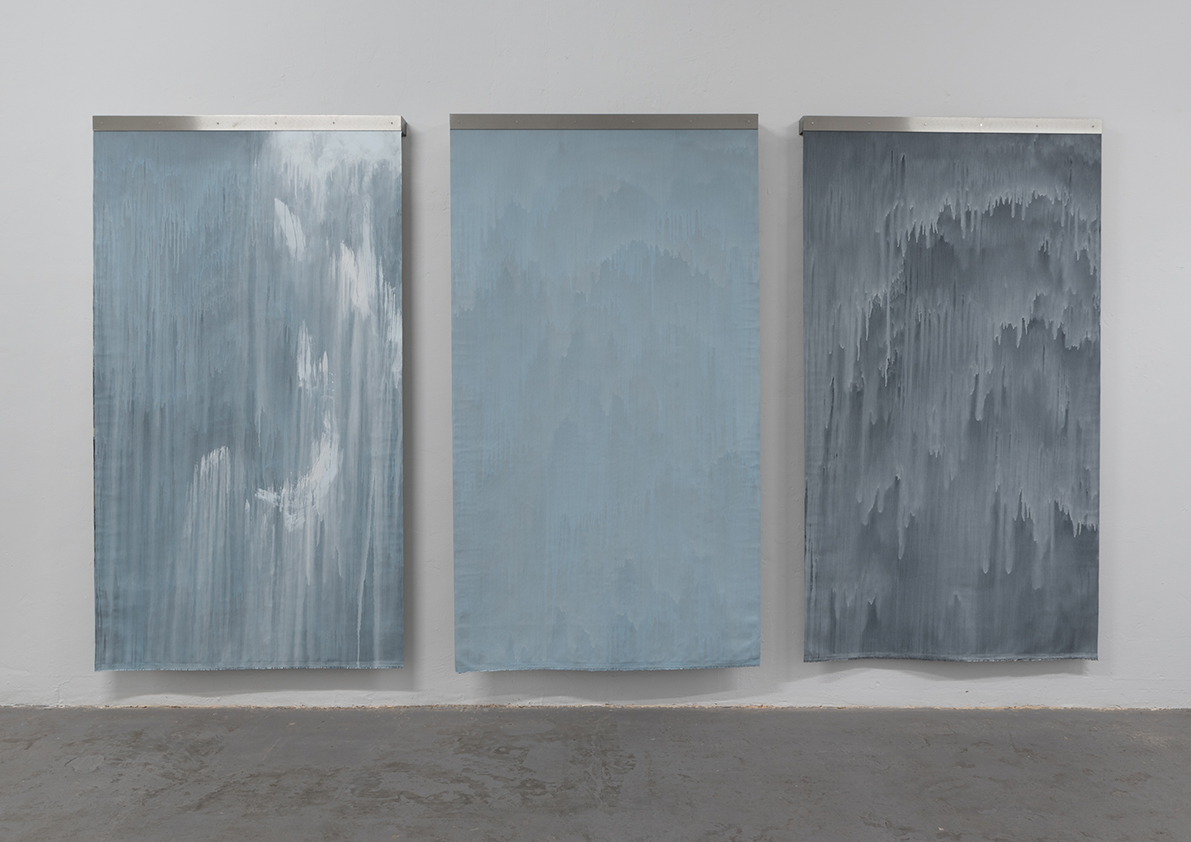
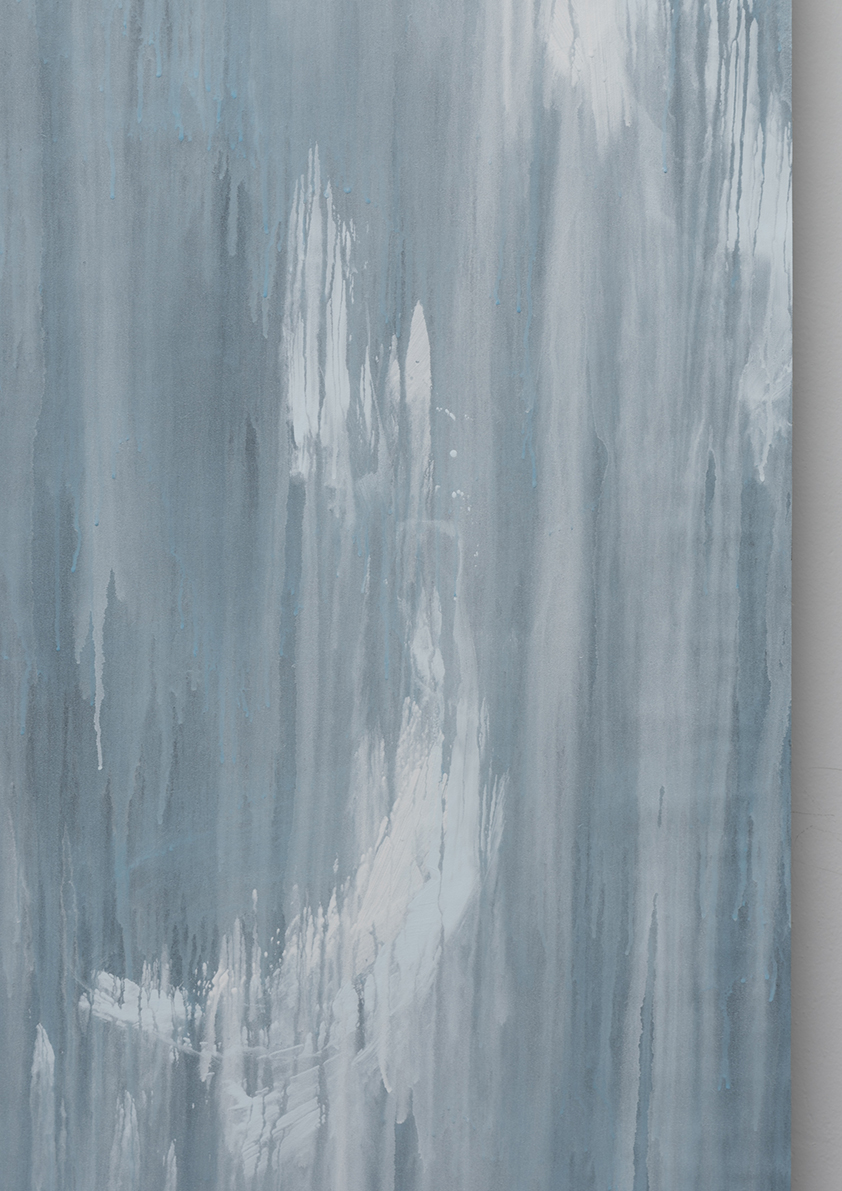
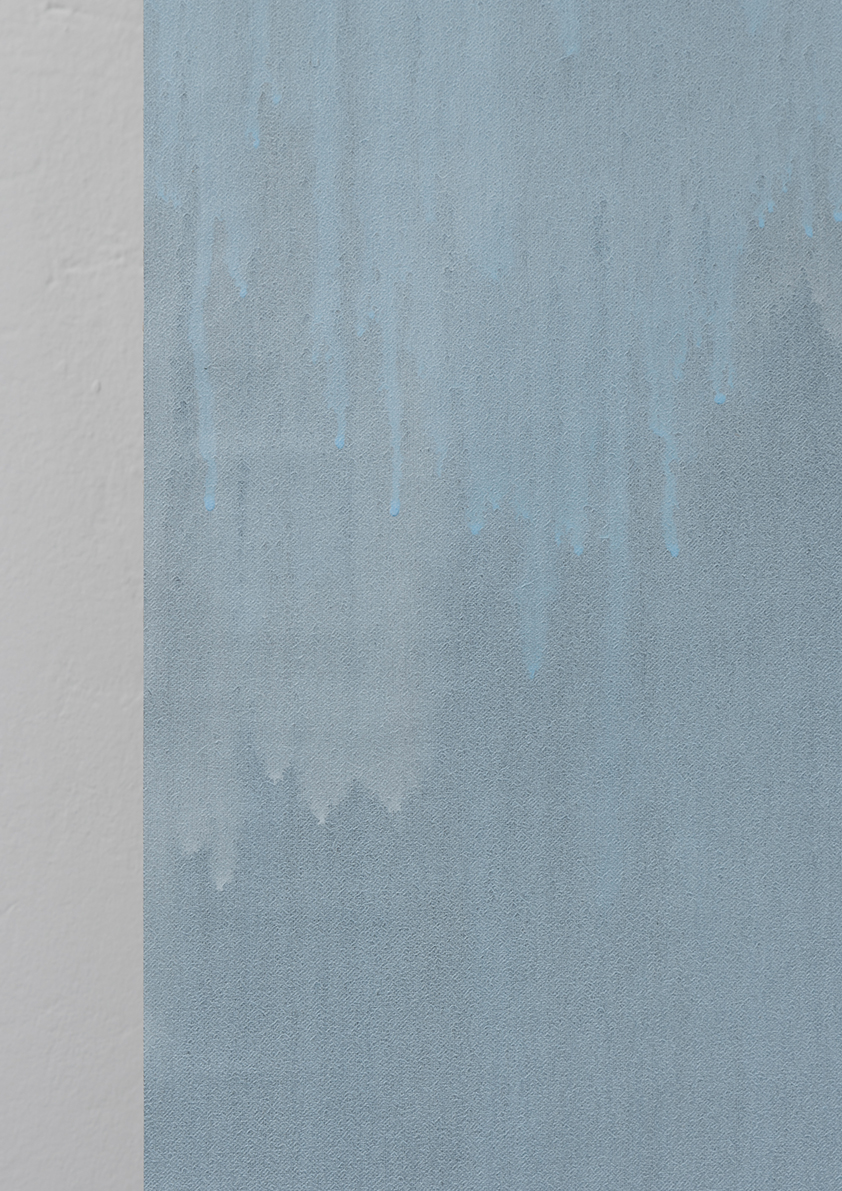
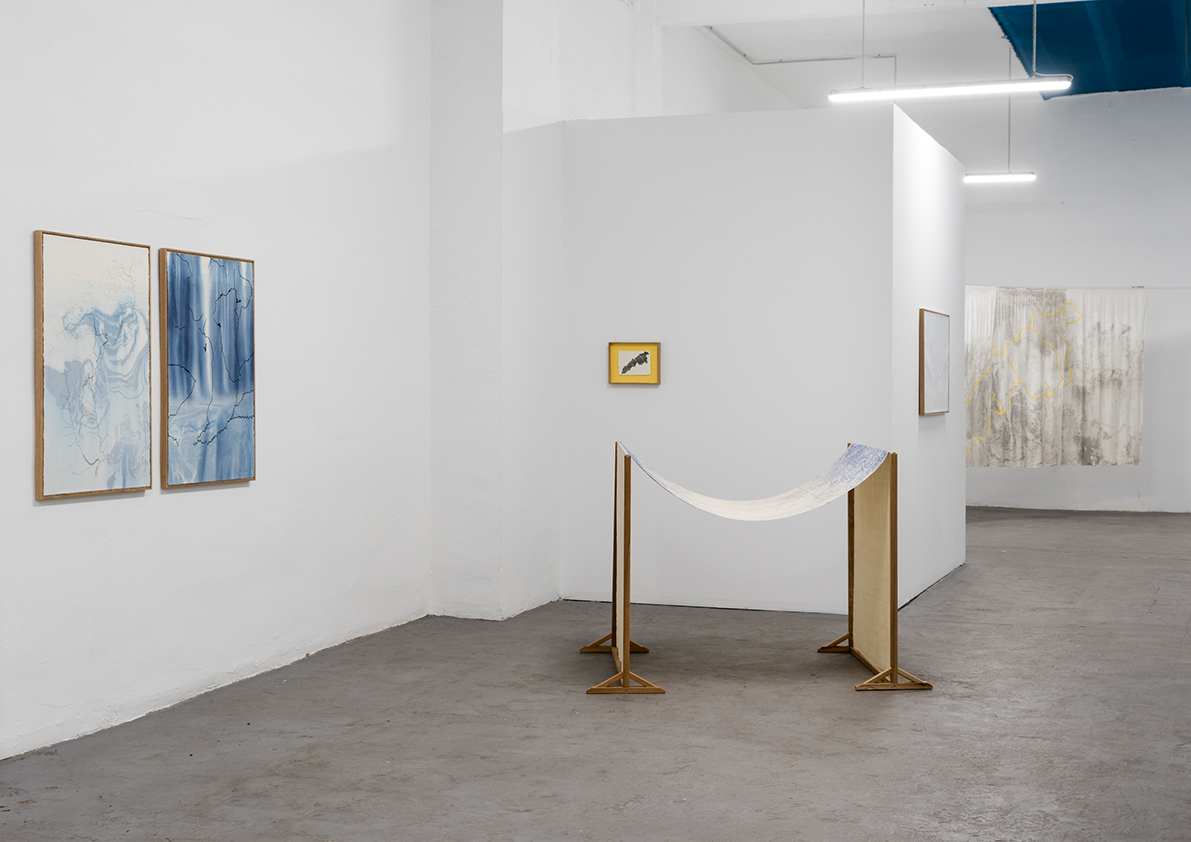
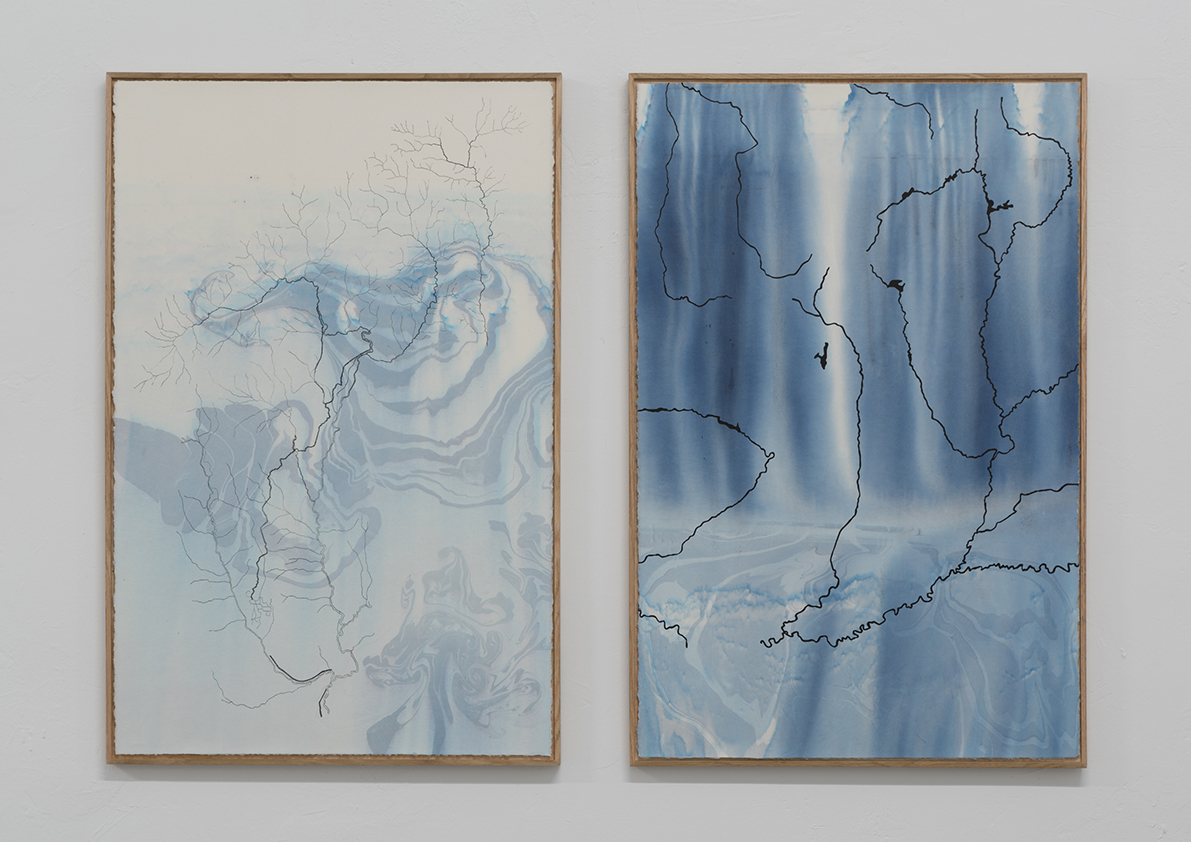
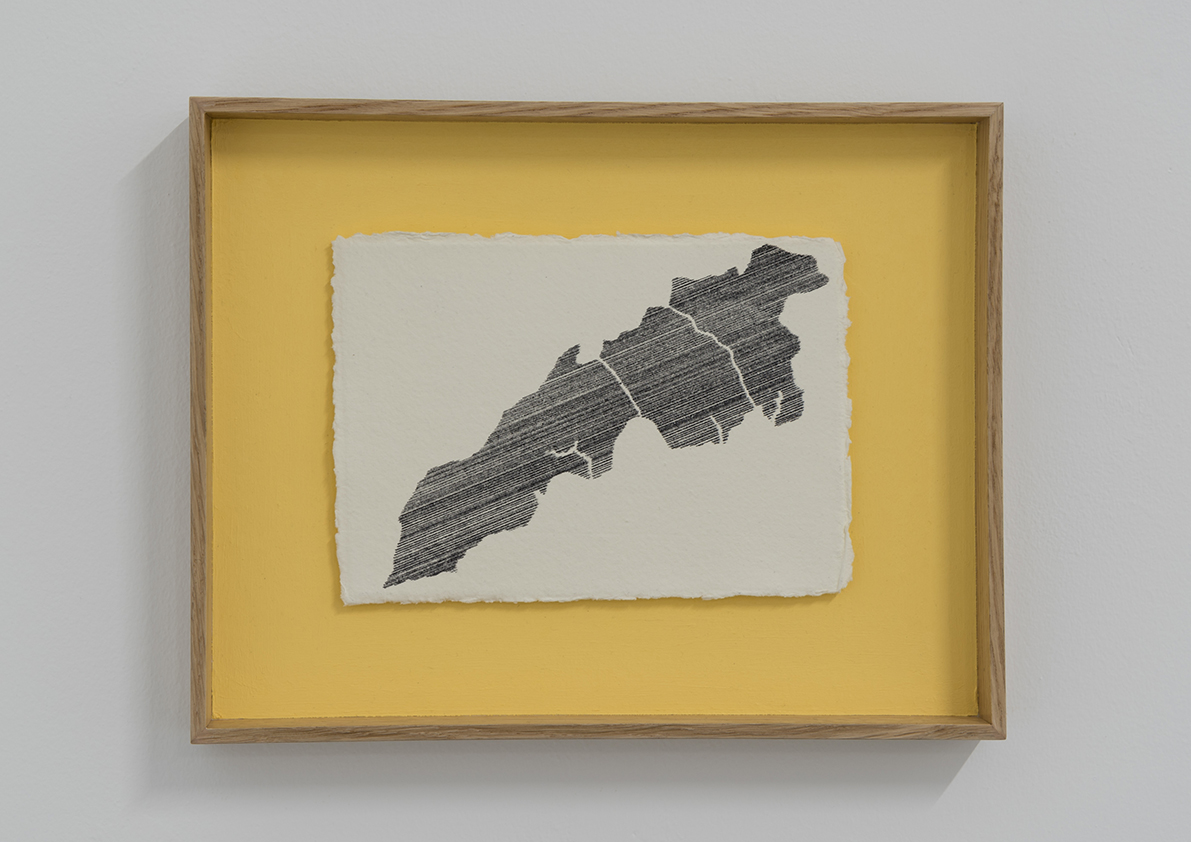
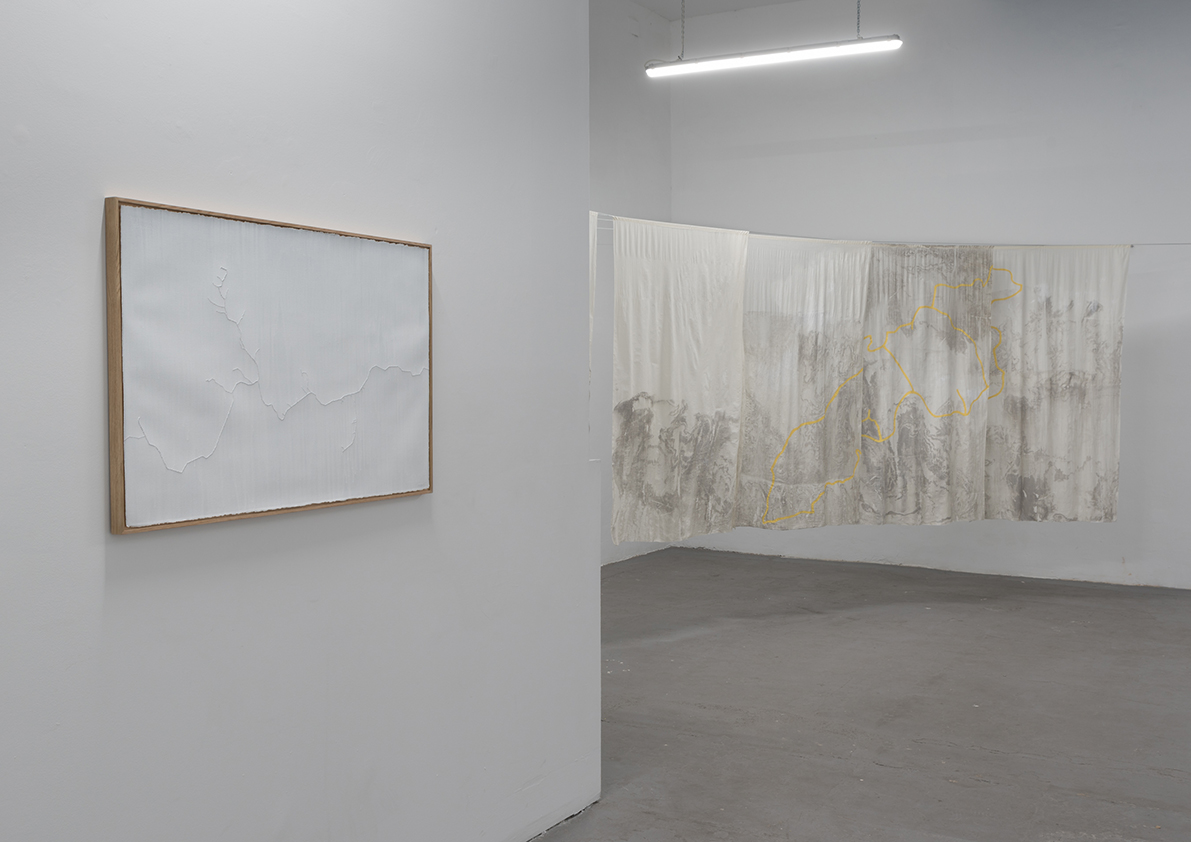
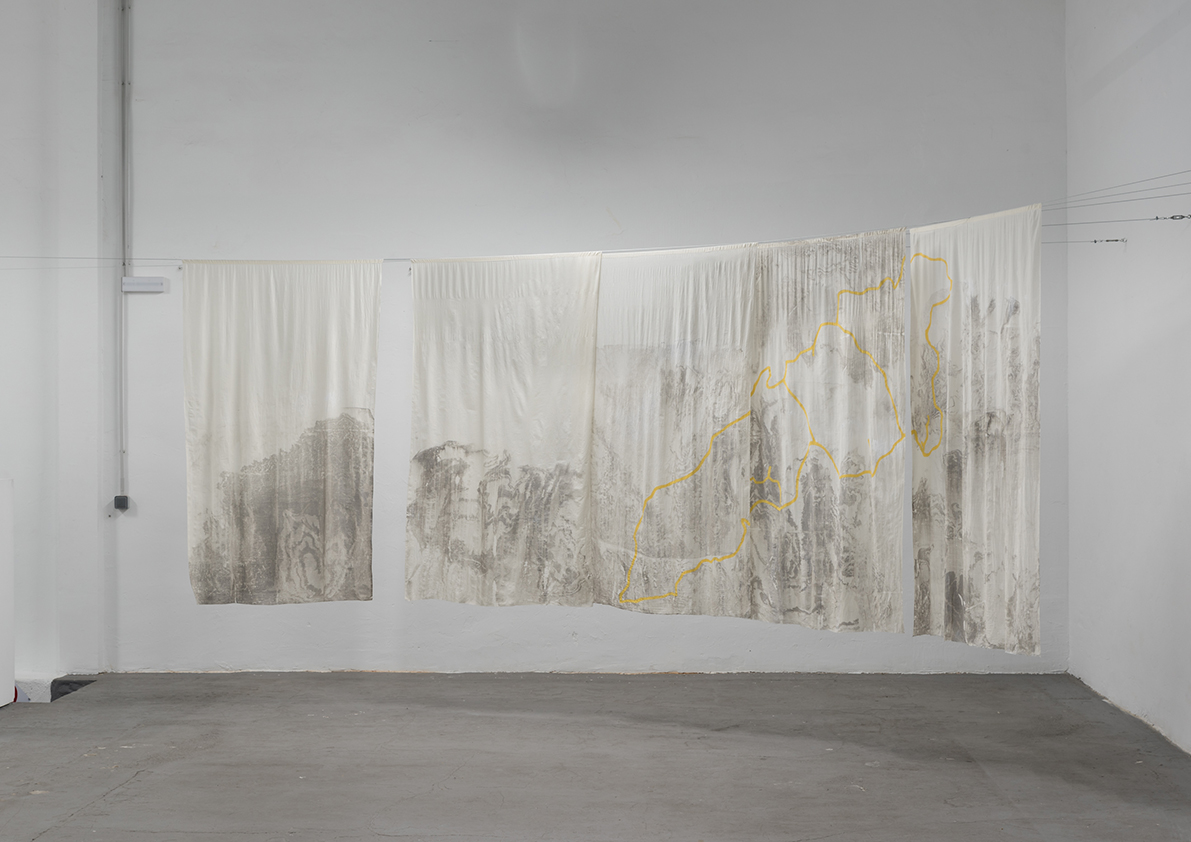
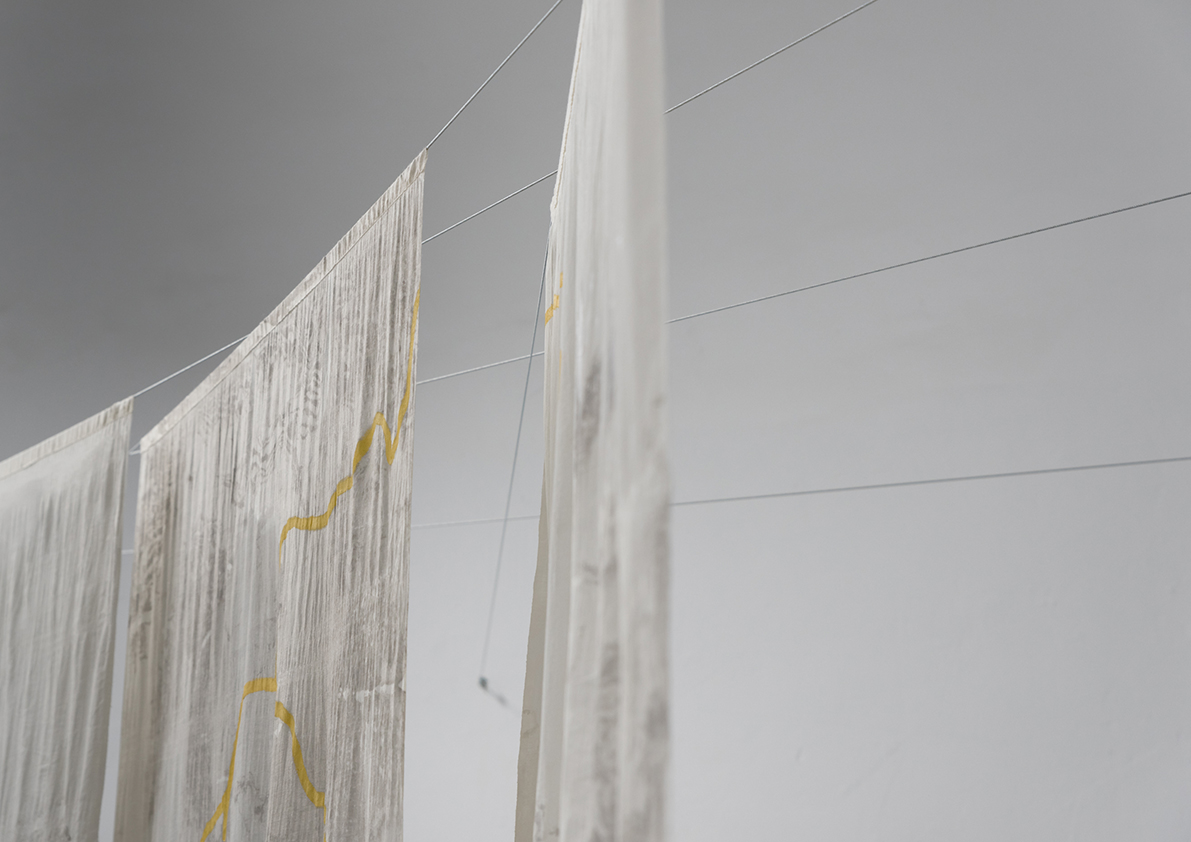
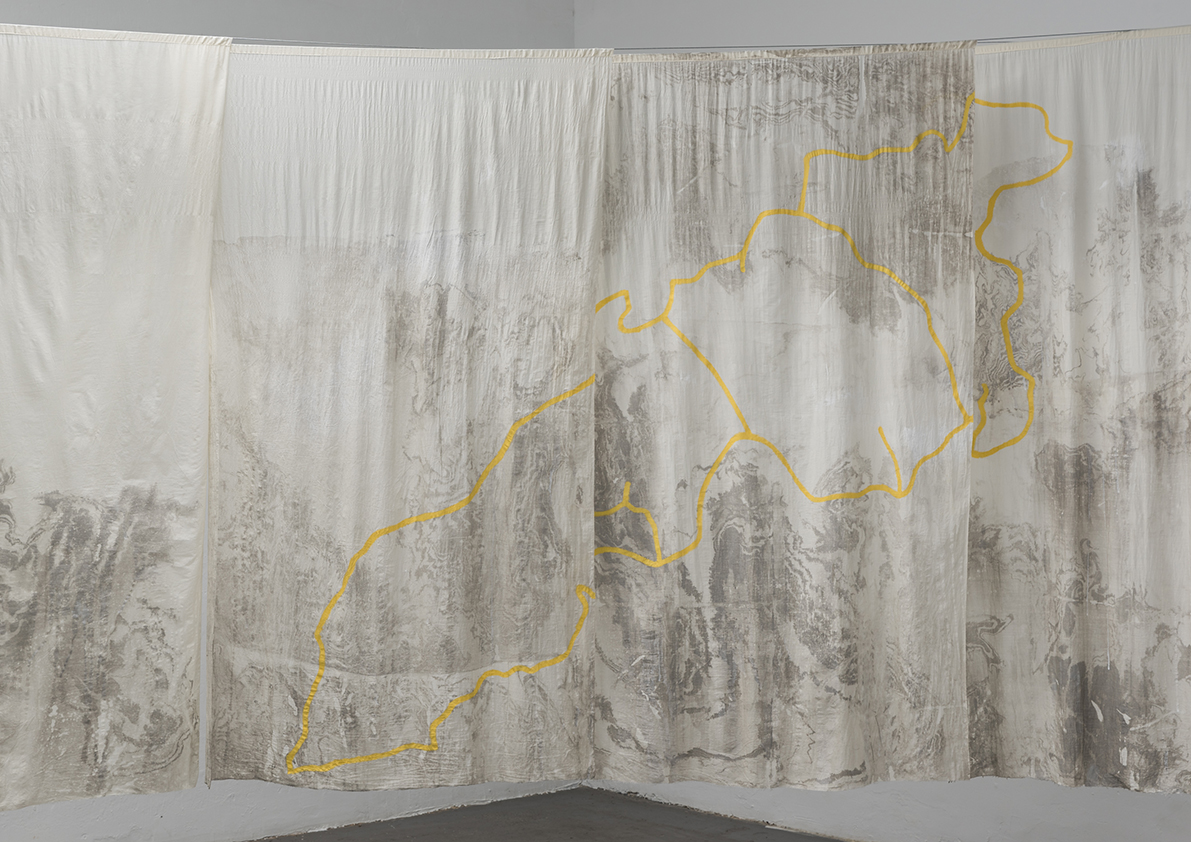
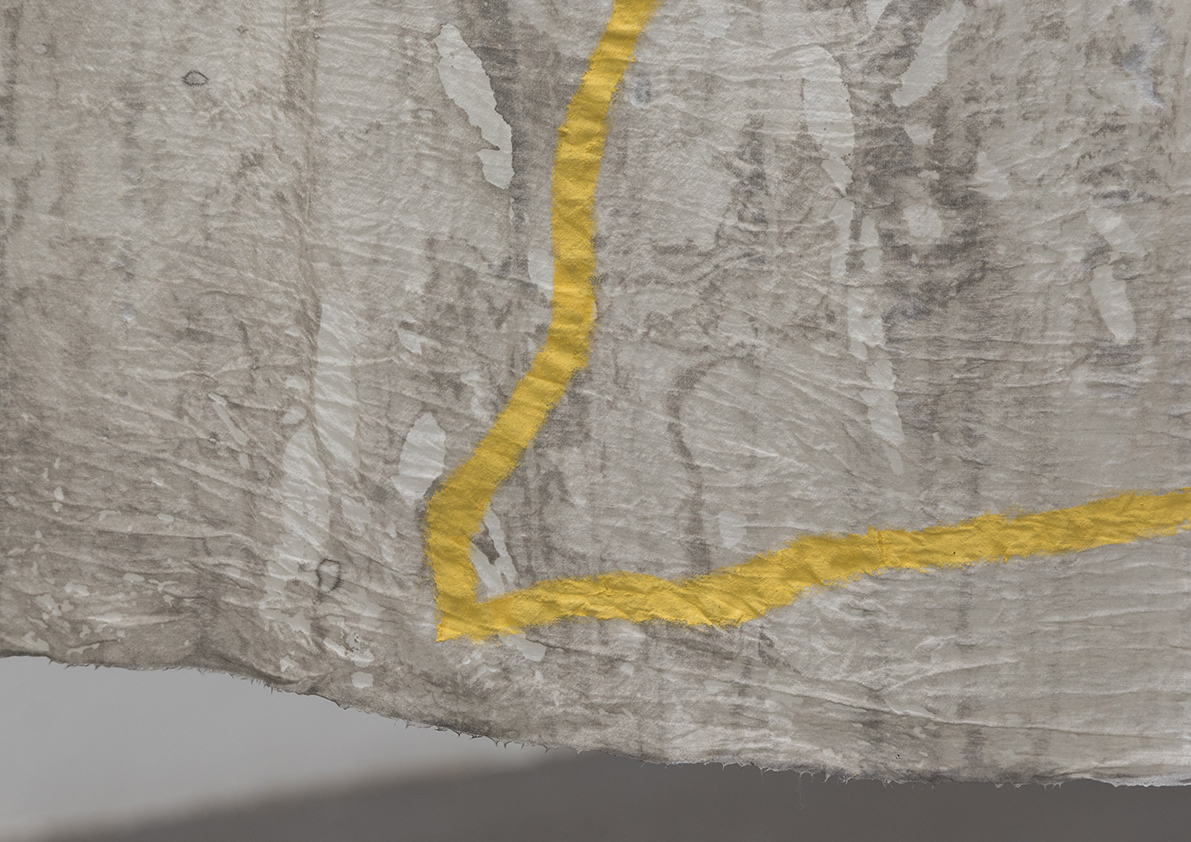
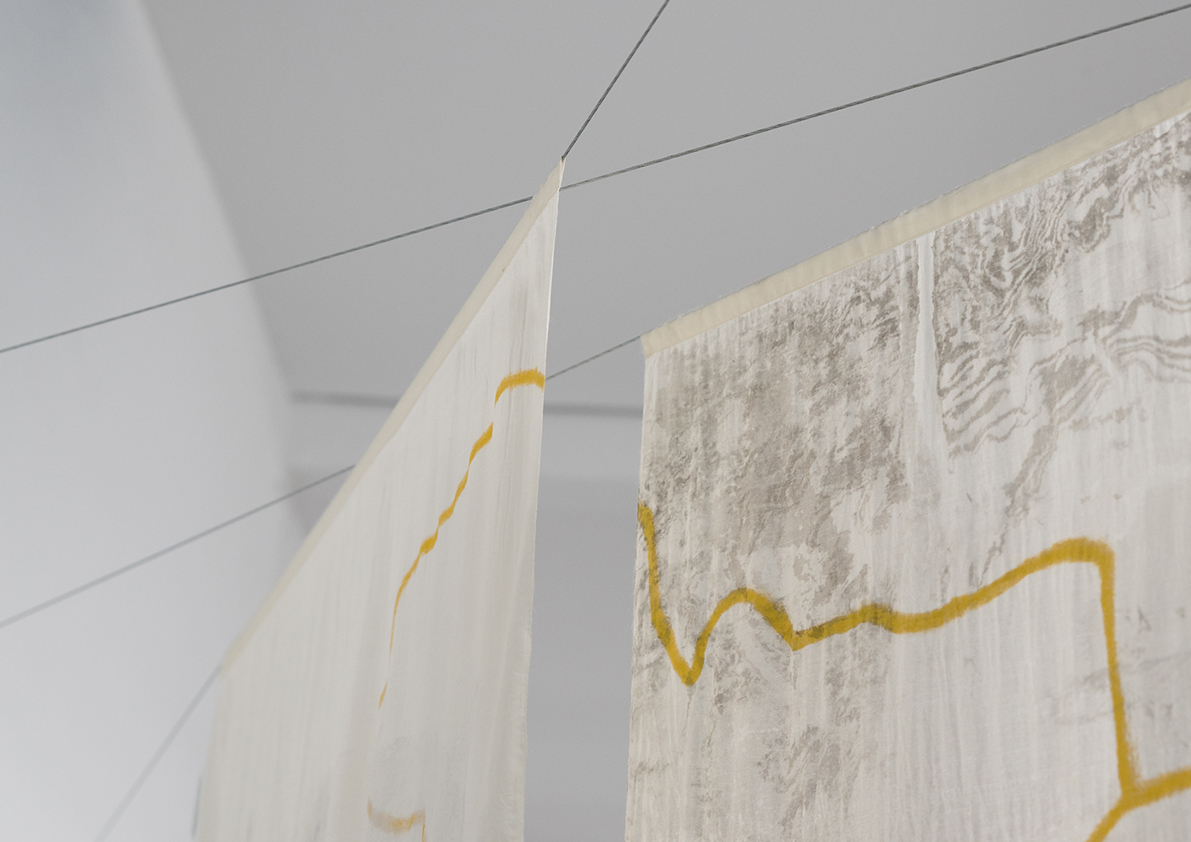
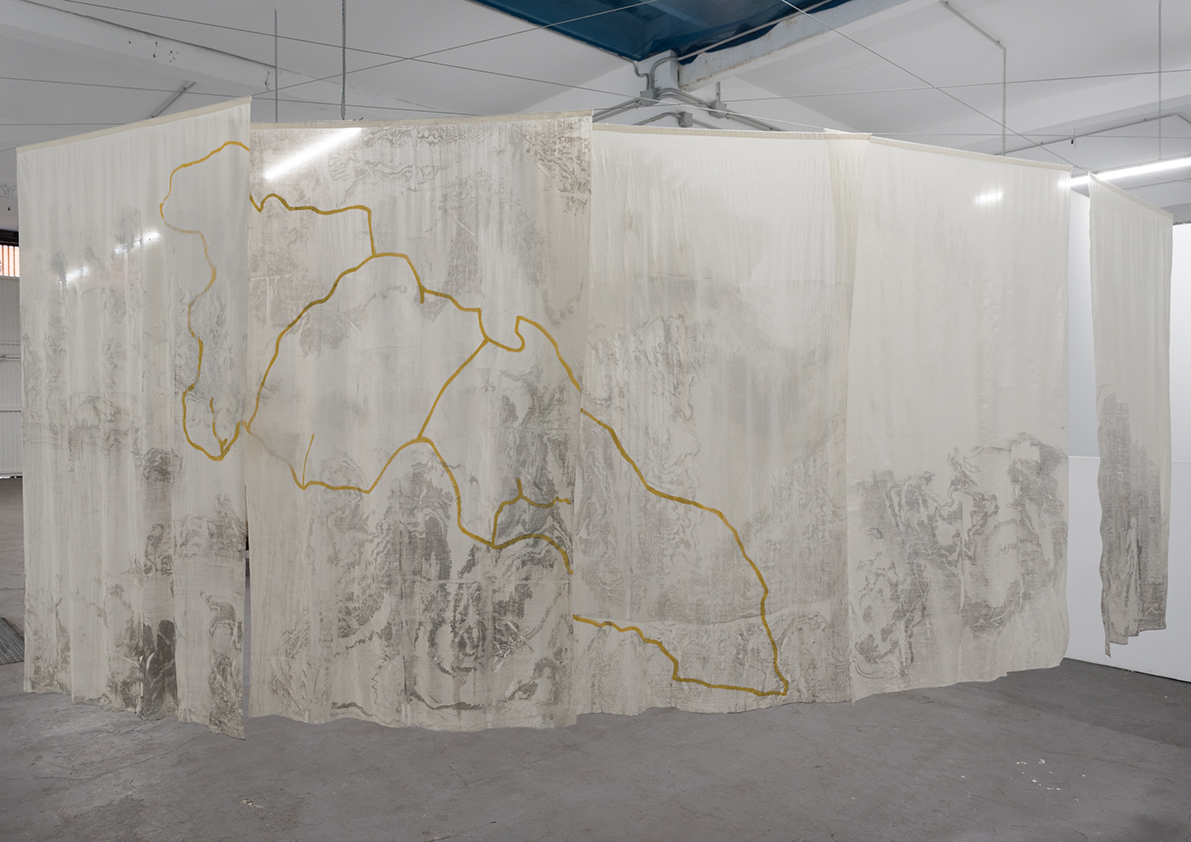
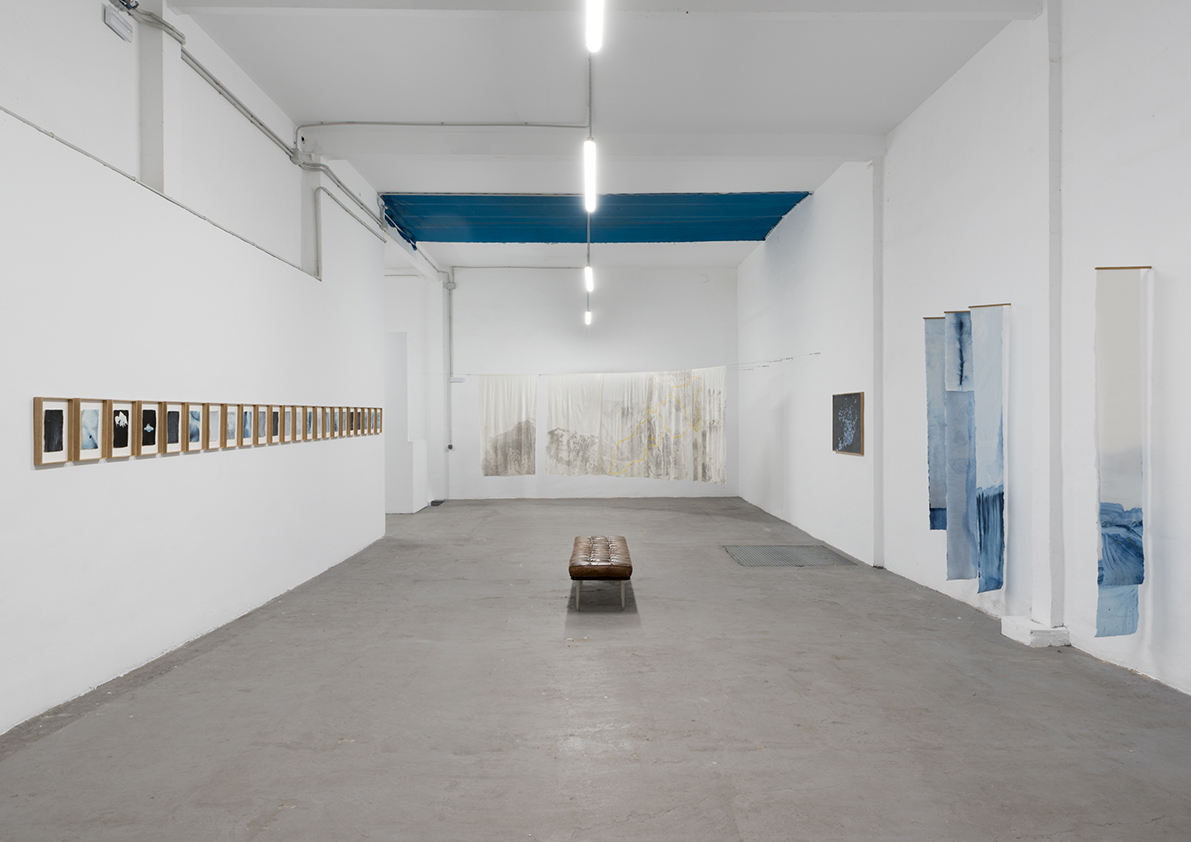
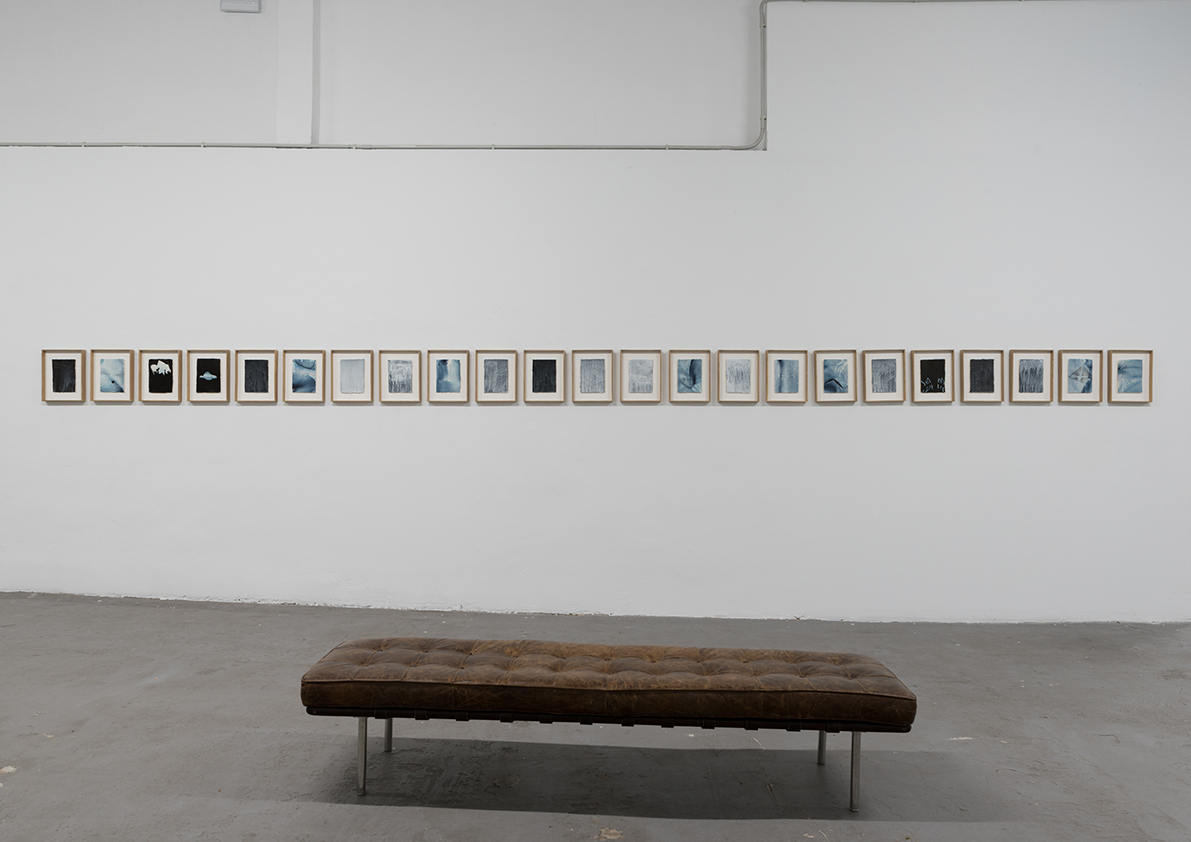
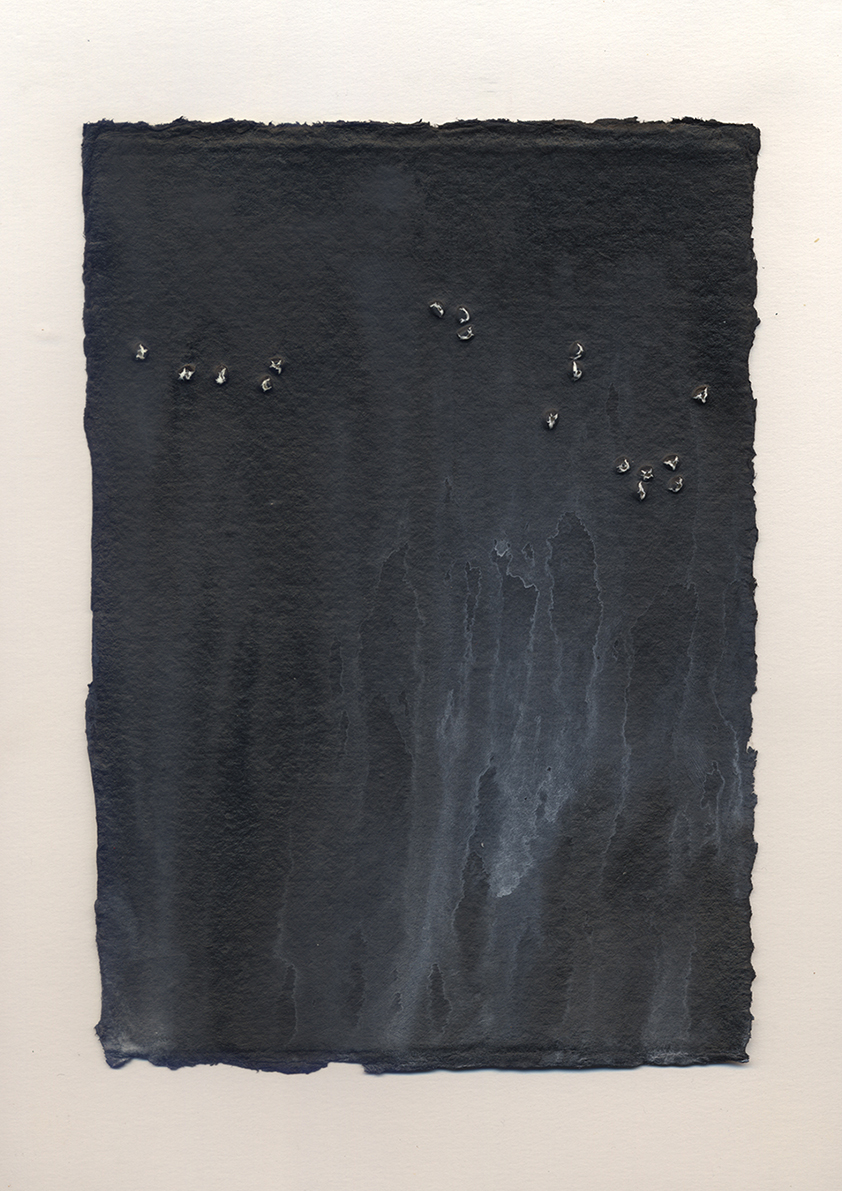
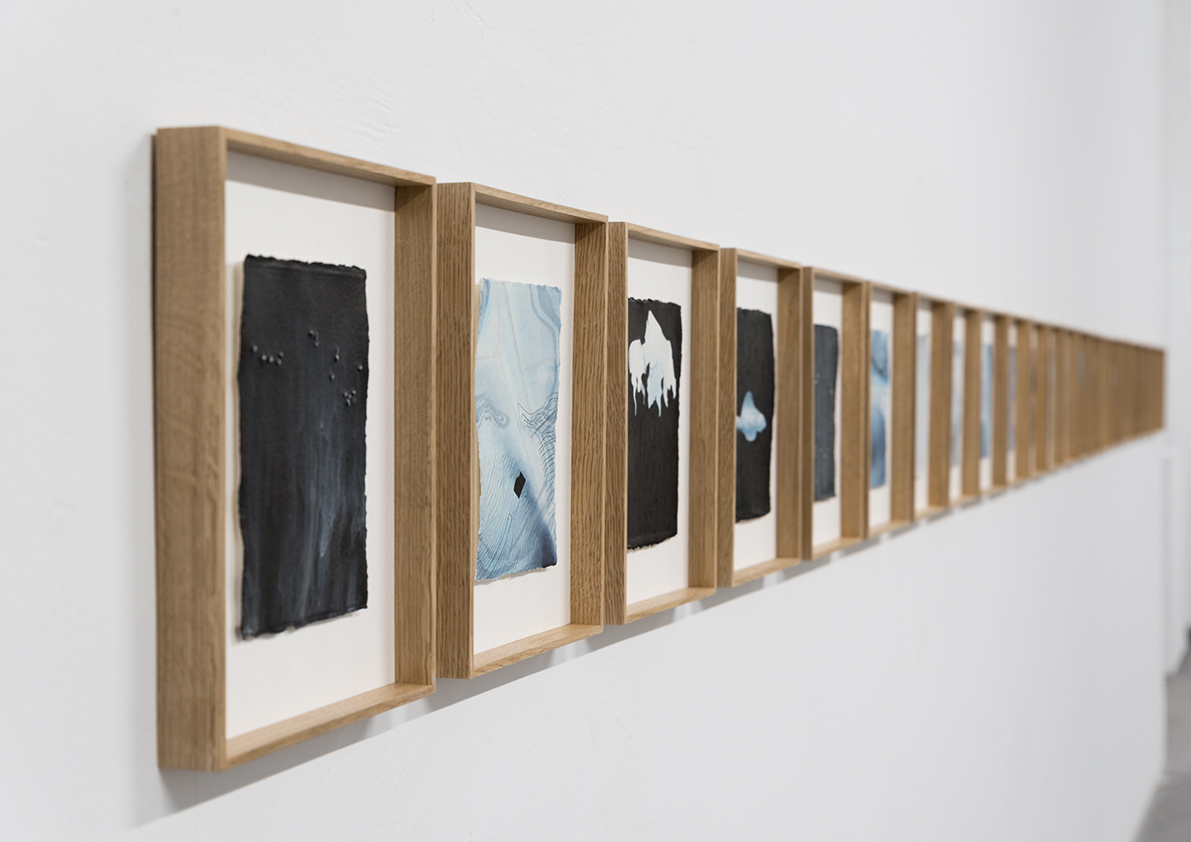
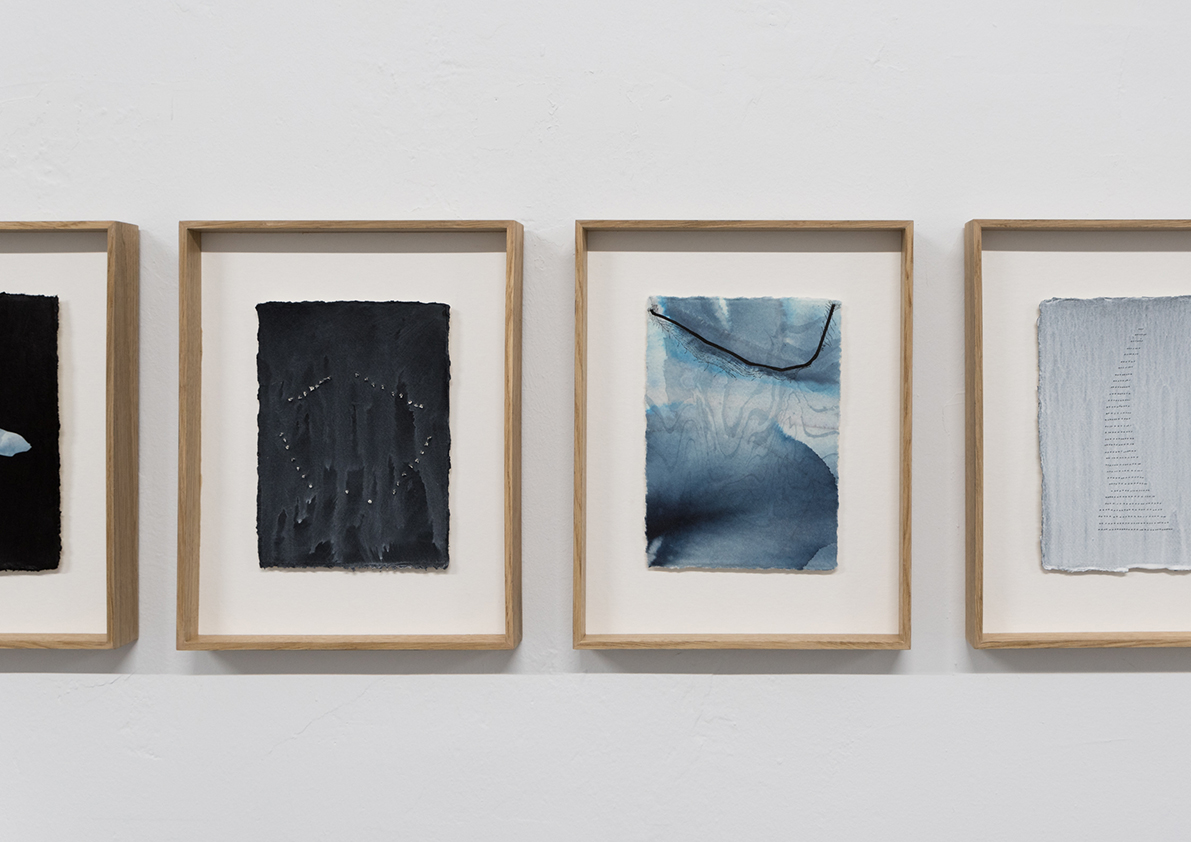
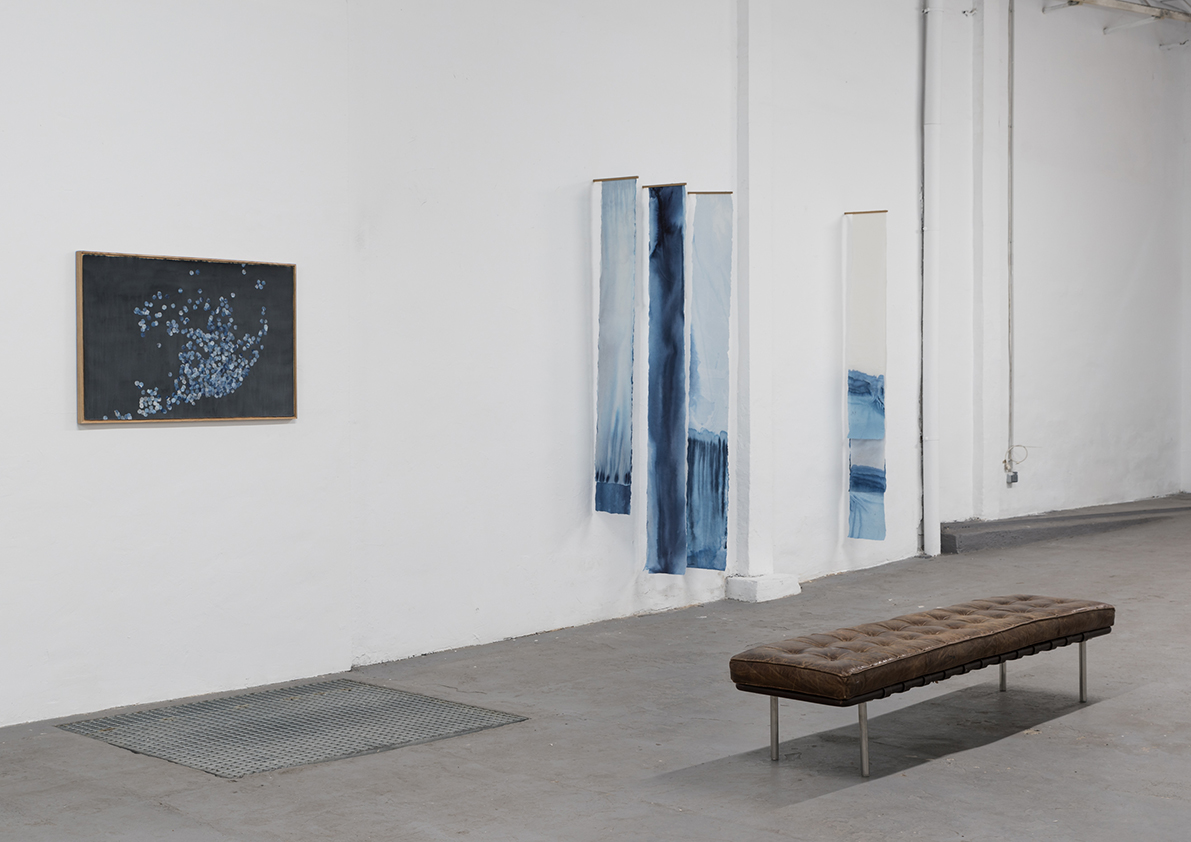
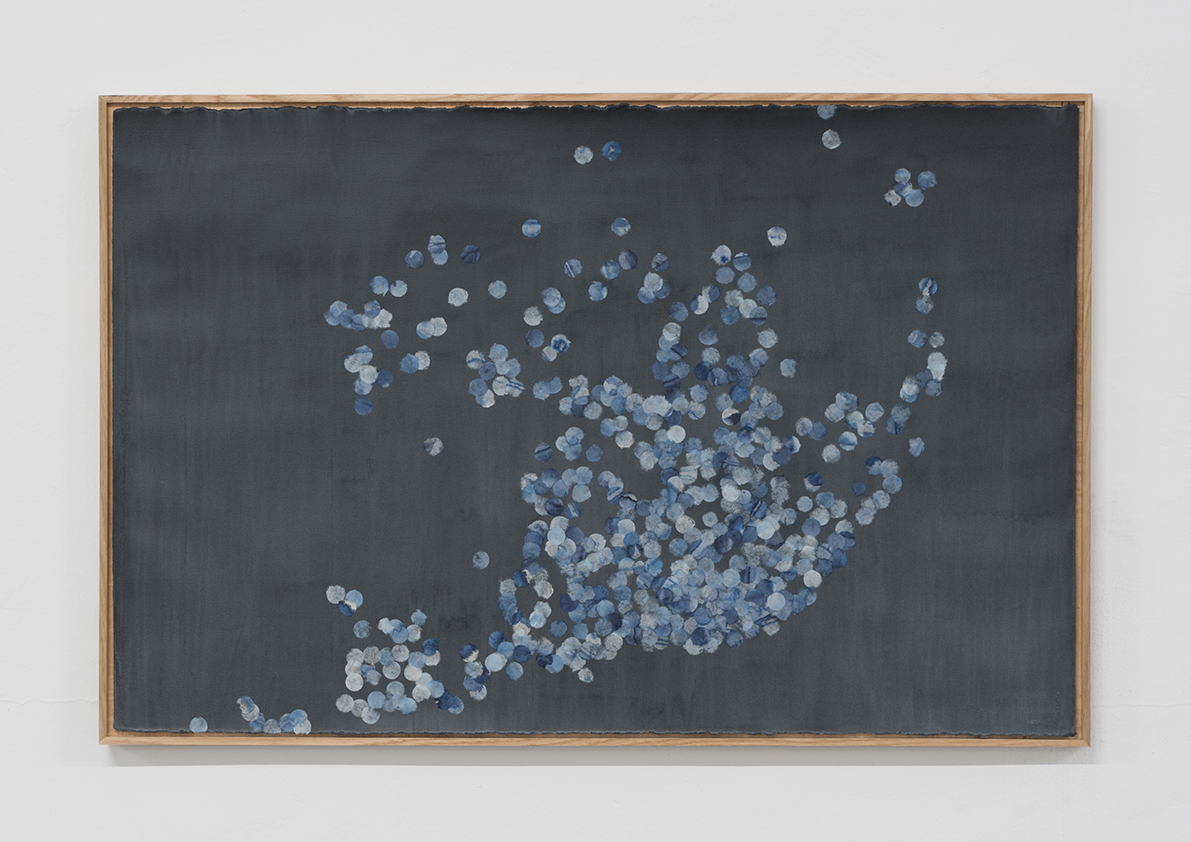
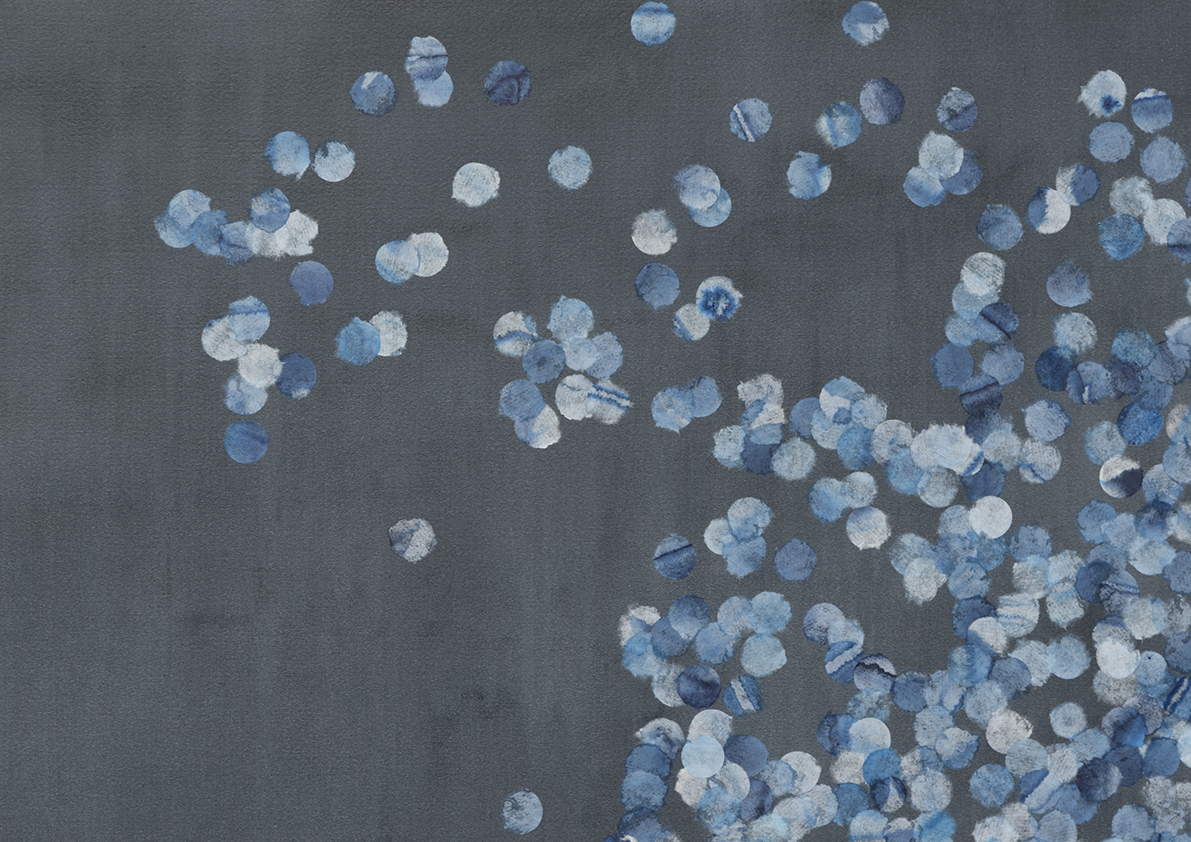
In the studio that Velez and Sassetti share, there's a reservoir that doubles as a swimming pool. A pool that transforms water into a painting medium through the suminagashi technique. For this process, the water's surface is painted, and the resulting unstable pattern is transferred to paper when it's placed on it. Liters of water and pigment flow across the surface of other pieces, and the ink carves channels. Here, everything revolves around surfaces that support forms and are transformed by contact with the skin of other materials. It's about margins, limits, and barriers that slip away, redefined by the properties of water. Velez and Sassetti are friends and have worked for years at Atelier Contencioso in Lisbon. From this close relationship emerges Aguas dulces, aguas libres, a duo exhibition they've been working on in parallel, featuring works by both artists and collaborative pieces. A series of pieces inspired by the politics and poetics of water.
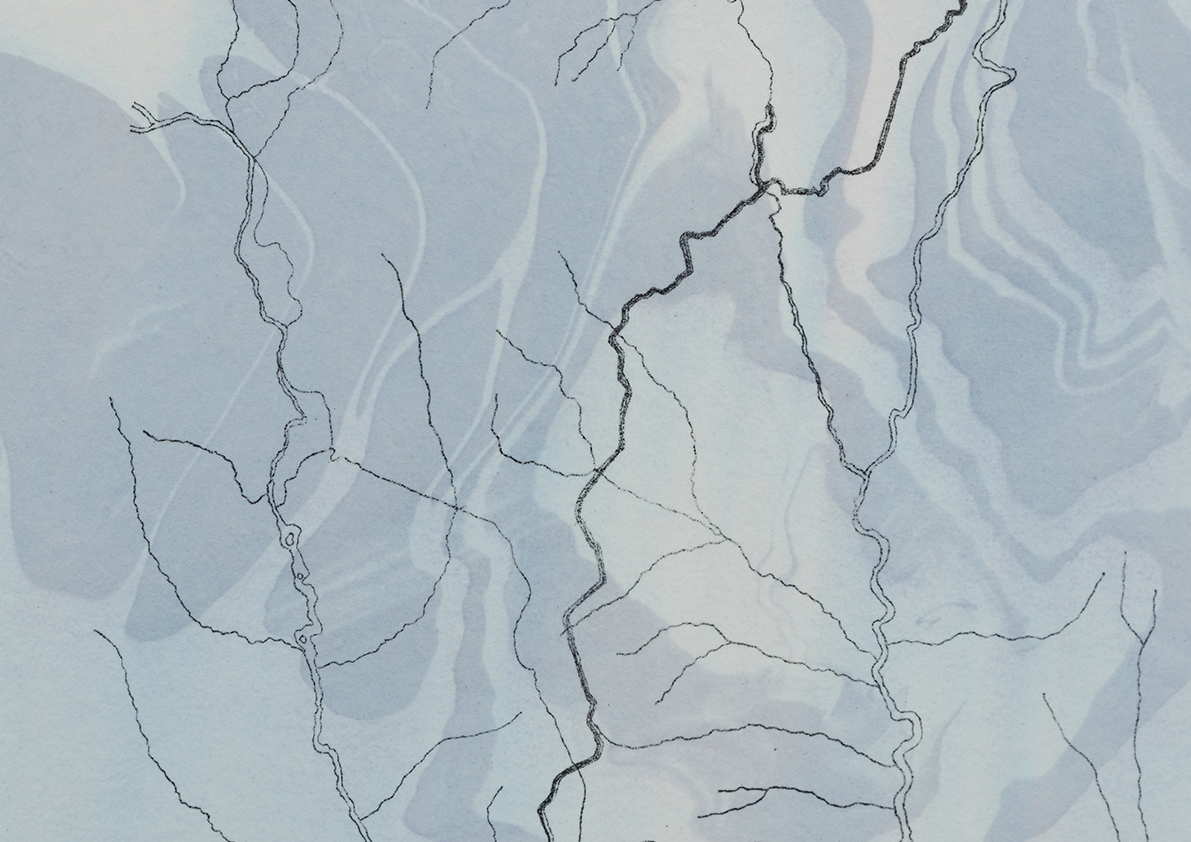
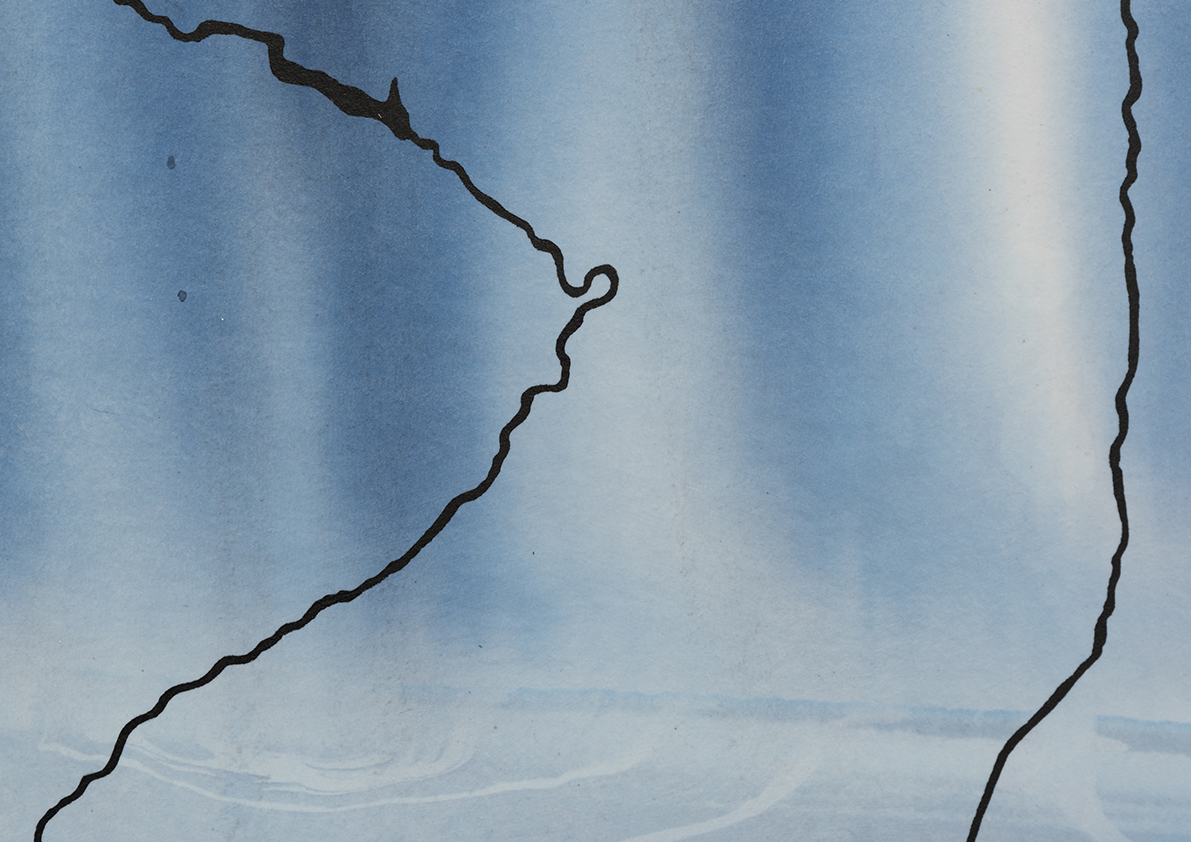
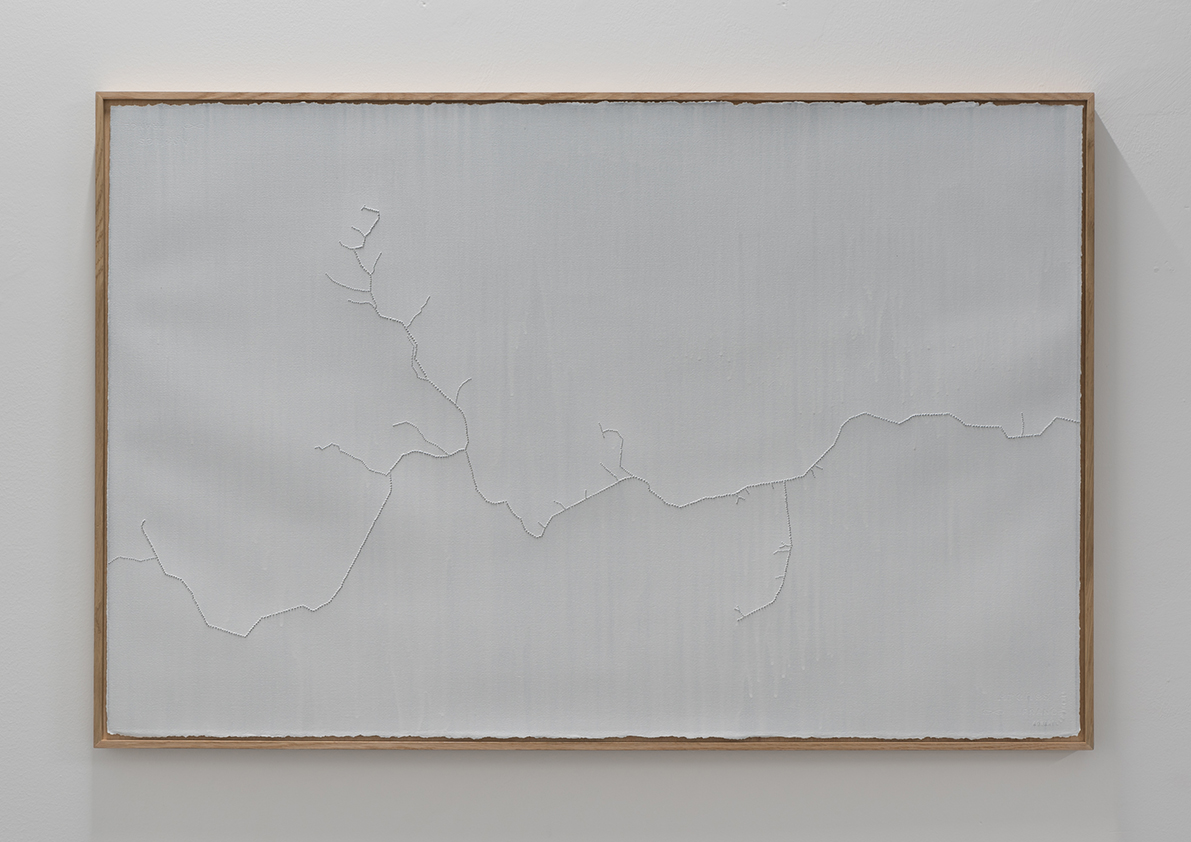
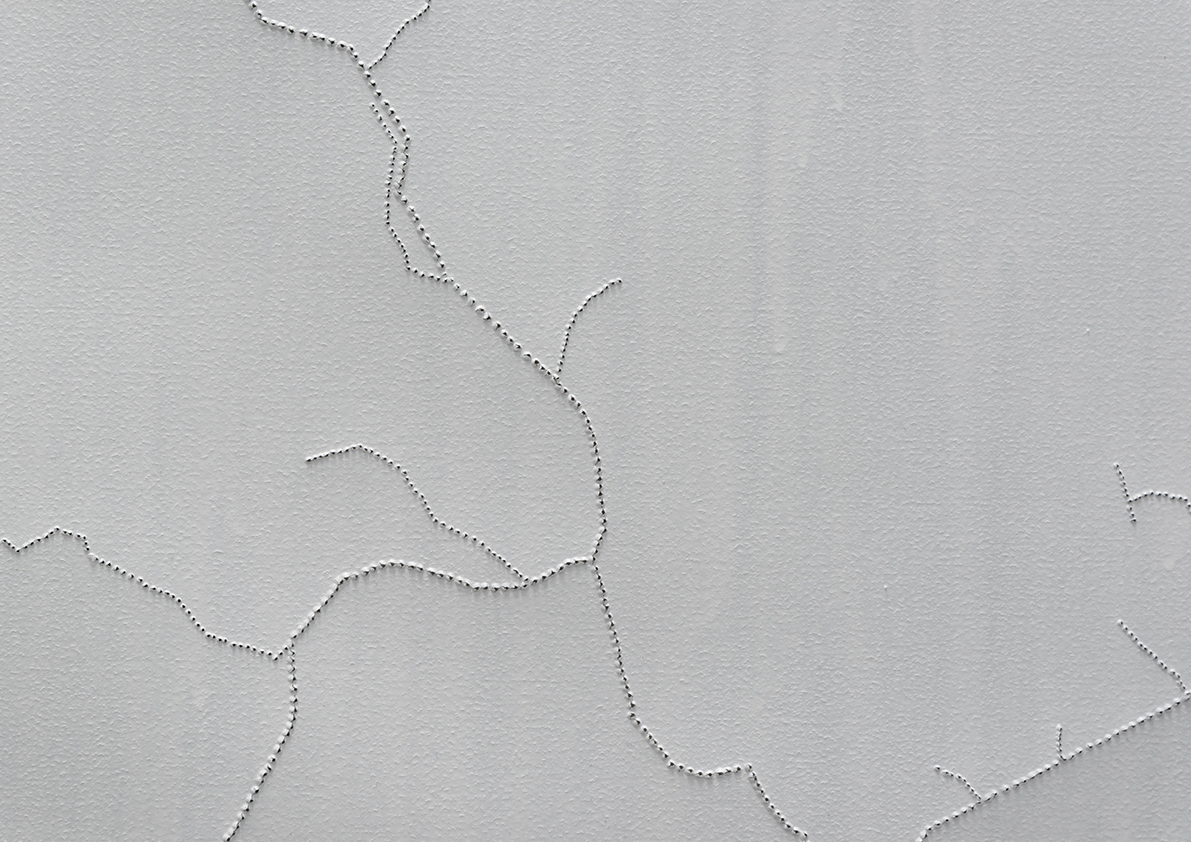
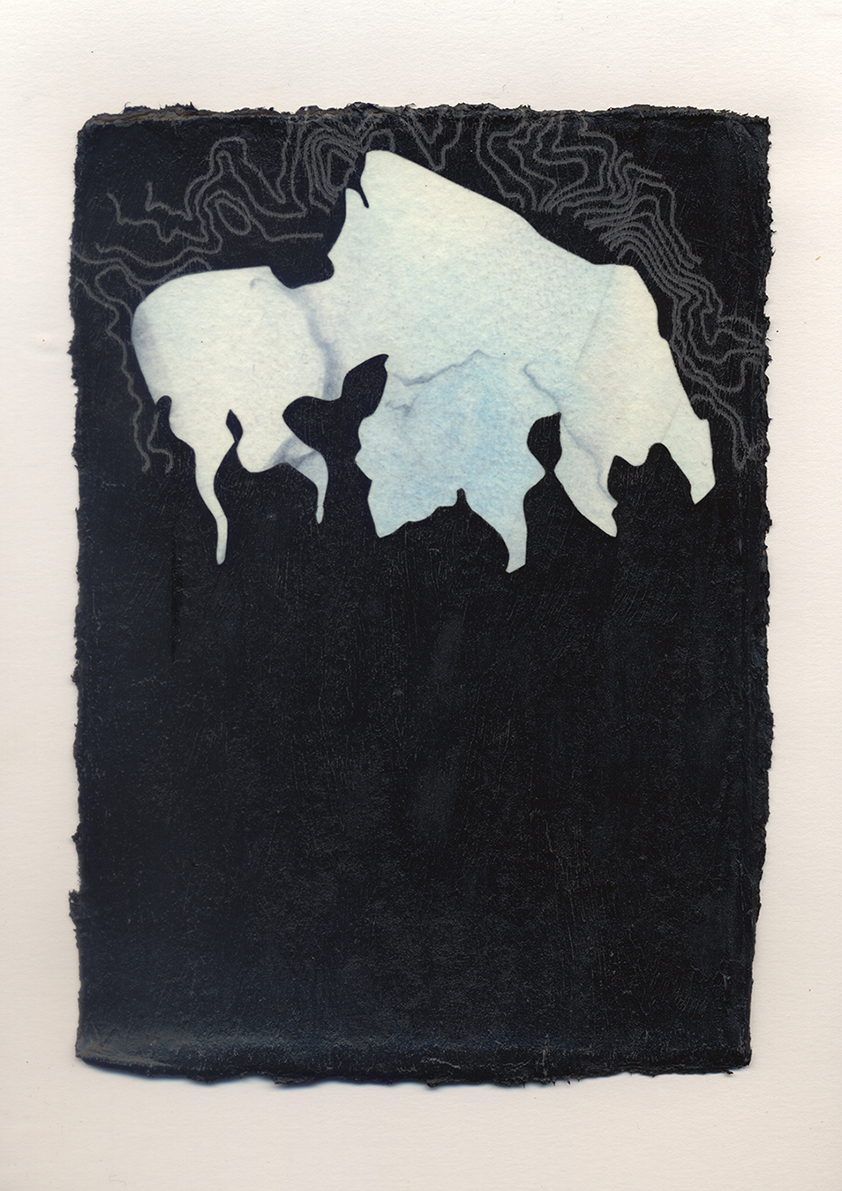
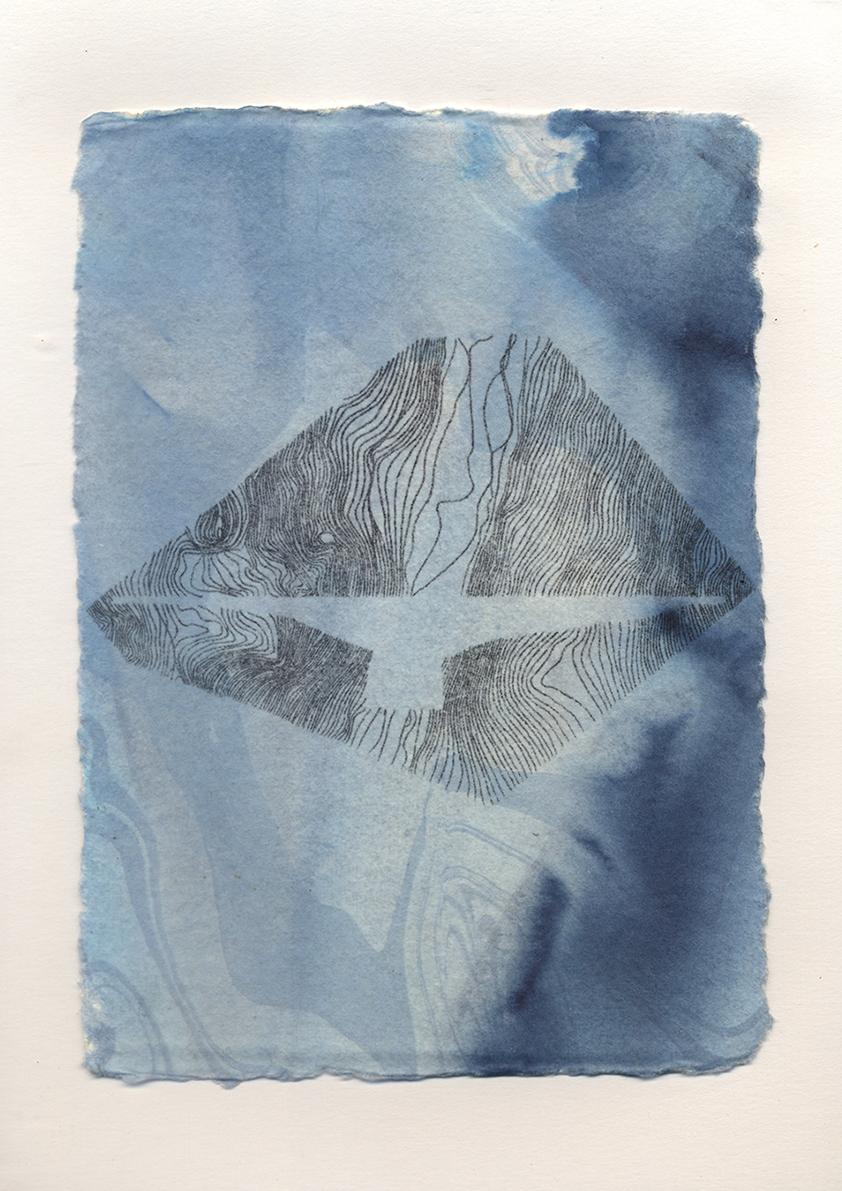
There are more than 2,500 dams and reservoirs on the Iberian Peninsula. These structures, through which Spain and Portugal manage their freshwater, have been studied by the artists to develop this exhibition. The works on display stem from detailed research into the circulation systems of water masses, their containment mechanisms, their uses, and their ownership. Velez and Sassetti have trace archival materials, maps, and photographs to explore the morphology of water management an representation. This analysis draws on the engineering and the footprint it leaves on the land: dams and reservoirs, aqueducts and canals. Here, maps dissolve int sensory images, and graphics flow like tiny rivers. The forms of water devour their representation. They themselves draw topographical lines, while the ink
constructs a hydrographic network, and there is a waterfall that doesn't splash.
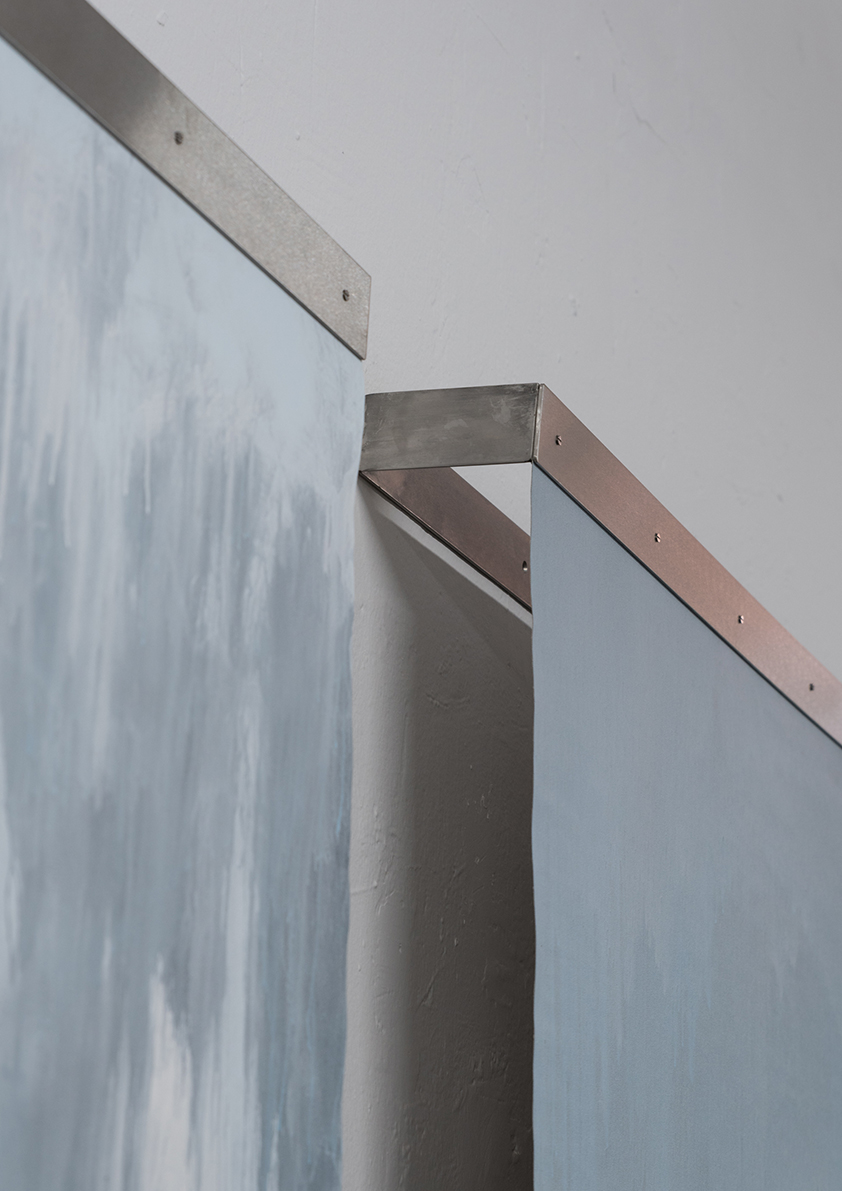
Each piece in this exhibition is a small work of engineering capable of containin water through refined techniques in a continuous and constant process. Together, they compose a cartography where fresh water guides the pigment and free water transforms paper into earth.
Manuela Pedrón Nicolau and Jaime González Cela